What are the scriptures of the Bible, that define human sexuality?
The Bible addresses human sexuality across various passages, providing principles on its design, purpose, and moral boundaries. Below are key scriptures that define human sexuality and provide a biblical framework:
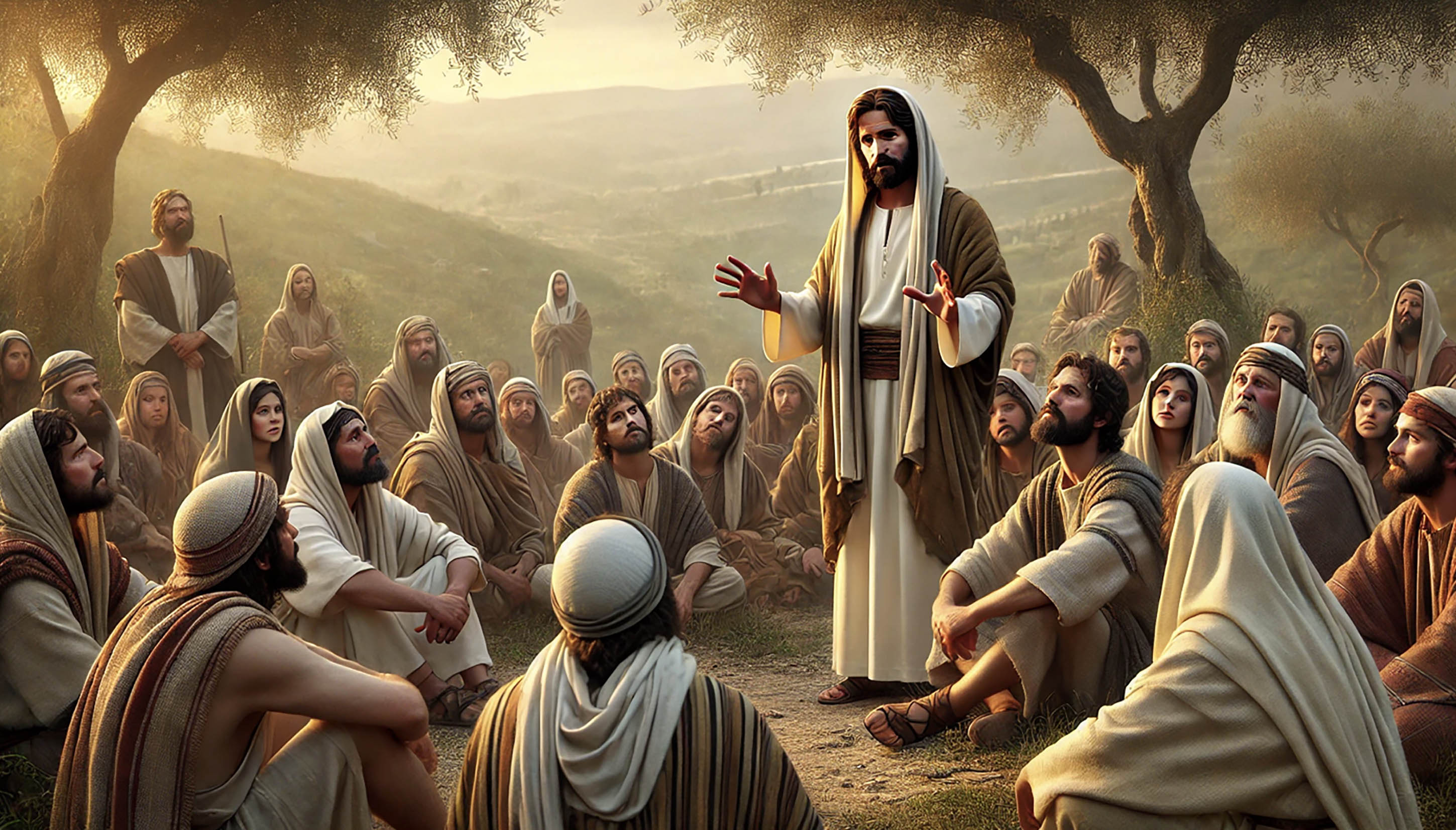 Jesus Teaches Holiness, Copyright, RCR
Creation and Purpose of Human Sexuality
Genesis 1:27-28
“So God created human beings in his own image. In the image of God he created them; male and female he created them. Then God blessed them and said, ‘Be fruitful and multiply. Fill the earth and govern it. Reign over the fish in the sea, the birds in the sky, and all the animals that scurry along the ground.’”
This establishes that God created humanity as male and female with the intent for reproduction and dominion over creation.
Genesis 2:24
“This explains why a man leaves his father and mother and is joined to his wife, and the two are united into one.”
This verse defines marriage as the union of a man and woman, forming the foundation for sexual intimacy
Sexual Morality and Holiness
Exodus 20:14
“You must not commit adultery.”
This commandment safeguards the sanctity of marriage and sexual fidelity.
Leviticus 18:22
“Do not practice homosexuality, having sex with another man as with a woman. It is a detestable sin.”
Addresses specific prohibitions regarding sexual practices of same-sex persons outside of God’s intended purpose for sexuality.
1 Corinthians 6:18-20
“Run from sexual sin! No other sin so clearly affects the body as this one does. For sexual immorality is a sin against your own body. Don’t you realize that your body is the temple of the Holy Spirit, who lives in you and was given to you by God? You do not belong to yourself, for God bought you with a high price. So you must honor God with your body.”
Highlights the importance of sexual purity and the spiritual implications of sexual sin.
Hebrews 13:4
“Give honor to marriage, and remain faithful to one another in marriage. God will surely judge people who are immoral and those who commit adultery.”
Reinforces the sanctity of marriage and God’s judgment against sexual immorality.
Sexual Sin and Consequences
Romans 1:26-27
“That is why God abandoned them to their shameful desires. Even the women turned against the natural way to have sex and instead indulged in sex with each other. And the men, instead of having normal sexual relations with women, burned with lust for each other. Men did shameful things with other men, and as a result of this sin, they suffered within themselves the penalty they deserved.”
Describes the consequences of rejecting God’s design for human sexuality.
Galatians 5:19-21
“When you follow the desires of your sinful nature, the results are very clear: sexual immorality, impurity, lustful pleasures, idolatry, sorcery, hostility, quarreling, jealousy, outbursts of anger, selfish ambition, dissension, division, envy, drunkenness, wild parties, and other sins like these. Let me tell you again, as I have before, that anyone living that sort of life will not inherit the Kingdom of God.”
Places sexual immorality in the broader context of sinful behaviors.
Redemption and Grace
John 8:10-11
“Then Jesus stood up again and said to the woman, ‘Where are your accusers? Didn’t even one of them condemn you?’ ‘No, Lord,’ she said. And Jesus said, ‘Neither do I. Go and sin no more.’”
While addressing sin, Jesus offers grace and calls for repentance.
1 Corinthians 6:9-11
“Don’t you realize that those who do wrong will not inherit the Kingdom of God? Don’t fool yourselves. Those who indulge in sexual sin, or who worship idols, or commit adultery, or are male prostitutes, or practice homosexuality, or are thieves, or greedy people, or drunkards, or are abusive, or cheat people—none of these will inherit the Kingdom of God. Some of you were once like that. But you were cleansed; you were made holy; you were made right with God by calling on the name of the Lord Jesus Christ and by the Spirit of our God.”
Emphasizes the imperative need to live our lives as God created us to live; in sexual purity, glorifying Him with our bodies. Expresses the certainty that people who live in sexual immorality and sins, will not enter heaven.
These passages outline a biblical perspective on human sexuality, encompassing God’s original design, moral guidelines, consequences of deviation, and the grace offered for repentance and restoration.
How is the argument that Old Testament laws regarding human sexuality are no longer valid because Jesus has died for all sins, and all sins are forgiven, balanced with Acts 15 where sexual behavior is still a relative issue?
The argument that Old Testament laws regarding human sexuality are no longer valid because of Jesus’ atoning death requires a careful balance with the New Testament teachings, particularly the guidance found in Acts 15. This balance involves understanding the continuity and discontinuity of the moral law, the ceremonial law, and the judicial law in light of the New Covenant. Here’s a detailed analysis:
Jesus’ Fulfillment of the Law
Matthew 5:17-18
Jesus stated: “Don’t misunderstand why I have come. I did not come to abolish the law of Moses or the writings of the prophets. No, I came to accomplish their purpose. I tell you the truth, until heaven and earth disappear, not even the smallest detail of God’s law will disappear until its purpose is achieved.”
Jesus’ arrival on earth—His death and resurrection—fulfilled the purpose of the Old Testament Law; to live a perfect and righteous life. When we trust in what Jesus accomplished for us at the cross, we become righteous even as He is righteous. This does not eliminate our own need to live lives of sexual and moral purity, only that we are no judged now according to the Old Testament Law when we fail to keep these laws perfectly.
Jesus fulfilled the requirements of the ceremonial and sacrificial aspects of the Mosaic Law through His life, death, and resurrection (Hebrews 10:1-18). These aspects, such as dietary laws and temple rituals, are no longer binding under the New Covenant.
- Old Testament Law: A Lesson In God’s Nature Not Understood Today
- Are The Old Testament Laws Applicable Today?
Romans 8:3-4
“The law of Moses was unable to save us because of the weakness of our sinful nature. So God did what the law could not do. He sent his own Son in a body like the bodies we sinners have. And in that body, God declared an end to sin’s control over us by giving his Son as a sacrifice for our sins.”
While salvation is not earned through adherence to the law, the moral principles underlying the law remain relevant as expressions of God’s holiness.
Acts 15 and the Jerusalem Council: The O/T Laws That Continue
The Jerusalem Council in Acts 15 addressed whether Gentile believers needed to follow the Mosaic Law, including circumcision, as a requirement for salvation. The conclusion was that they did not need to adhere to the entire Mosaic Law but were instructed to avoid specific practices:
Acts 15:28-29
“For it seemed good to the Holy Spirit and to us to lay no greater burden on you than these few requirements: (1) You must abstain from eating food offered to idols, (2) from consuming blood or (3) the meat of strangled animals, and (4) from sexual immorality. If you do this, you will do well.”
The prohibition against sexual immorality (Greek: porneia) shows that moral laws regarding sexual behavior were upheld as binding on Gentile believers.
This decision reflects the continuity of moral law, distinguishing it from ceremonial and cultural laws that were specific to Israel under the Old Covenant.
Are The Old Testament Laws Applicable Today?
The New Testament on Sexual Ethics
The New Testament reiterates the importance of sexual morality:
1 Corinthians 6:18-20
“Run from sexual sin! No other sin so clearly affects the body as this one does. For sexual immorality is a sin against your own body.”
Galatians 5:19-21
Sexual immorality is included in the list of “acts of the sinful nature” that disqualify someone from inheriting the kingdom of God.
Ephesians 5:3
“Let there be no sexual immorality, impurity, or greed among you. Such sins have no place among God’s people.”
These passages show that sexual morality continues to be a relevant and significant issue under the New Covenant.
Balancing Forgiveness with Righteous Living
The forgiveness provided through Jesus’ sacrifice does not nullify the call to holy living:
Romans 6:1-2
“Well then, should we keep on sinning so that God can show us more and more of his wonderful grace? Of course not! Since we have died to sin, how can we continue to live in it?”
Grace forgives sin but does not provide a license for immoral behavior. Believers are called to live lives that reflect God’s holiness (1 Peter 1:15-16).
Because You Did Not Consider The Lord Holy: Why Critics Are Wrong About God And His Judgments
The Distinction Between Moral and Ceremonial Laws
Ceremonial laws (e.g., sacrifices, dietary restrictions) were specific to Israel and fulfilled in Christ.
Moral laws (e.g., laws about sexual ethics) are universal and rooted in God’s character, which does not change (Malachi 3:6).
Are The Old Testament Laws Applicable Today?
Acts 15 confirms that moral laws, including those governing sexual behavior, remain binding because they align with God’s unchanging standards.
While the ceremonial aspects of the Old Testament law have been fulfilled and are no longer binding, the moral laws, including those regarding sexual behavior, remain relevant under the New Covenant. Acts 15 reflects this continuity, emphasizing the importance of sexual morality as part of a believer’s life. Forgiveness through Christ does not negate the moral law but empowers believers to live in obedience to it, reflecting God’s holiness and design for human flourishing.
Some people today say that Jesus never said anything against homosexual behavior, but Genesis 19:24-25 states that the LORD (Yahweh), who is Jesus, according to NT Greek translators, destroyed the men of Sodom and Gomorrah for their homosexual behavior.
The argument that Jesus “never said anything against homosexual behavior” is often based on the absence of explicit statements from Jesus recorded in the Gospels directly addressing the topic. However, this perspective fails to consider several important theological and scriptural principles. Here’s a detailed response, focusing on Genesis 19:24-25, the identity of Jesus as Yahweh, and the broader biblical context:
Genesis 19:24-25, Jesus Destroys Sodom and Gomorrah
Genesis 19:24-25:
“Then the LORD rained down fire and burning sulfur from the sky on Sodom and Gomorrah. He utterly destroyed them, along with the other cities and villages of the plain, wiping out all the people and every bit of vegetation.”
The context of Genesis 19 highlights the rampant sin of Sodom, which was primarily homosexual behavior (Genesis 19:4-5). The men of Sodom sought to sexually violate the angelic visitors, demonstrating extreme moral corruption.
The often asserted text of Ezekiel 16:49-50, in their correct context, is God speaking to the people of Israel, that their behavior is similar to the men of Sodom and Gomorrah: pride, selfishness, and detestable acts:
The phrase “detestable sins” (Hebrew: to‘ebah) is specific to sexual immorality (Leviticus 18:22). The same word is used by God in Leviticus 18:22 to describe sex between men.
Jesus as Yahweh in the New Testament
Jesus identified as Yahweh: The New Testament writers affirm that Jesus is Yahweh incarnate:
- John 1:1-3, 14: Jesus is the eternal Word, through whom all things were made, and who became flesh.
- John 8:58: Jesus said, “Before Abraham was even born, I AM!” This claim identifies Jesus with Yahweh, the “I AM” of Exodus 3:14.
- Colossians 1:15-17: Jesus is described as the image of the invisible God, the Creator and Sustainer of all things.
The LORD in Genesis 19: The destruction of Sodom and Gomorrah was an act of judgment by Yahweh, who, according to New Testament theology, is the pre-incarnate Christ. This understanding aligns with Jesus’ role as the eternal God who judges sin.
This certainty is confirmed by Peter and Jude in the New Testament:
In Jude 1:5-7, he states that Jesus as Yahweh, led the Israelites out of Egypt, then later destroyed them in the desert because the complained and rebelled against Him:
5 “So I want to remind you, though you already know these things, that Jesus first rescued the nation of Israel from Egypt, but later he destroyed those who did not remain faithful.
Then Jude states that Jesus as Yahweh in the Old Testament, also destroyed the men of Sodom and Gomorrah because they refused to repent from their homosexuality, describing these acts as, “sexual perversion, and immorality,” serving as a warning to everyone that God will not tolerate same-sex sin:
” …And don’t forget Sodom and Gomorrah and their neighboring towns, which were filled with immorality and every kind of sexual perversion. Those cities were destroyed by fire and serve as a warning of the eternal fire of God’s judgment.”
2 Peter chapter 2, he also confirms that the men of Sodom and Gomorrah were destroyed by Jesus because of their “shameful immorality, wickedness, and their judgment is an example to us of what God will do in judgment, to everyone who refuses to repent of same-sex sin:
“Later, God condemned the cities of Sodom and Gomorrah and turned them into heaps of ashes. He made them an example of what will happen to ungodly people. 7 But God also rescued Lot out of Sodom because he was a righteous man who was sick of the shameful immorality of the wicked people around him. 8 Yes, Lot was a righteous man who was tormented in his soul by the wickedness he saw and heard day after day.”
Evidence That Jesus Is Yahweh/Elohim
Jesus’ Teachings on Sexuality
While Jesus does not explicitly mention homosexuality in the Gospels, He affirms God’s design for human sexuality as rooted in creation:
Matthew 19:4-6:
“Haven’t you read the Scriptures? They record that from the beginning ‘God made them male and female.’ And he said, ‘This explains why a man leaves his father and mother and is joined to his wife, and the two are united into one.’ Since they are no longer two but one, let no one split apart what God has joined together.”
Jesus defines marriage as a union between one man and one woman, referencing Genesis 1:27 and 2:24, affirming the heterosexual framework of creation.
When we are seeking to understand Jesus’ position or teaching on any subject, it is the totality of all the Bible that we should seek—finding all like-scriptures on the subject. Jesus said that He is the author of the entire Bible, (the Logos), and all of scripture is about Him and for Him.
Jesus’ Condemnation of Porneia (sexual immorality):
Jesus consistently condemned porneia (sexual immorality), a broad term encompassing all sexual behavior outside of heterosexual marriage:
Matthew 15:19:
“For from the heart come evil thoughts, murder, adultery, all sexual immorality (porneia), theft, lying, and slander.”
By affirming the moral law and referencing the Torah’s teachings, Jesus implicitly upheld the prohibition of homosexual behavior (Leviticus 18:22; 20:13).
Apostolic Affirmations
The apostles, inspired by the Holy Spirit, provide further clarity on sexual morality, including homosexual behavior:
Romans 1:26-27:
“That is why God abandoned them to their shameful desires. Even the women turned against the natural way to have sex and instead indulged in sex with each other. And the men, instead of having normal sexual relations with women, burned with lust for each other. Men did shameful things with other men, and as a result of this sin, they suffered within themselves the penalty they deserved.”
1 Corinthians 6:9-10:
“Don’t you realize that those who do wrong will not inherit the Kingdom of God? Don’t fool yourselves. Those who indulge in sexual sin, or who worship idols, or commit adultery, or are male prostitutes, or practice homosexuality…”
These passages confirm that the moral prohibitions found in the Old Testament are upheld under the New Covenant.
Misconceptions About Jesus’ Silence
Jesus’ “silence” on homosexuality does not imply approval. He affirmed the moral teachings of the Old Testament, upheld heterosexual marriage, and condemned all forms of sexual immorality.
Jesus’ role as Yahweh in Genesis 19 demonstrates that He has always upheld God’s moral standards, including His judgment on the sexual sins of Sodom and Gomorrah.
The claim that Jesus never condemned homosexual behavior misunderstands both His identity as Yahweh and the broader biblical context. Genesis 19:24-25 shows that Yahweh—identified in the New Testament as Jesus—executed judgment on Sodom for their sins, including homosexual behavior. Jesus’ teachings in the Gospels affirm God’s original design for human sexuality, while the apostolic writings reiterate the moral boundaries that reflect God’s character. Far from being silent, the entire biblical witness, including Jesus’ role, affirms the standards of sexual morality established by God.
How do these texts from the Bible affect the assertion by critics that God accepts persons who are transgender? Since God is perfect and incapable of error, could He create a person in the wrong body, as some assert?
The question of whether God could create a person in the “wrong body” touches on deeply theological, philosophical, and pastoral issues. Critics who assert that God fully accepts transgender identities often frame their argument in terms of God’s love, inclusivity, and concern for individual well-being. However, a biblical perspective must consider God’s nature, His design for humanity, and how these principles relate to questions of gender and identity. Here’s an analysis of the key points:
There Is No Salvation Without Repentance
It is impossible to obtain salvation from Jesus, apart from a determined work of changing our previous behavior. All sins are equal before God and a consistent, unrepentant liar can miss eternal life, equally with a fornicator, or murderer. If we have been living in a sexual relationship with another person, outside of marriage, if a person is in a same-sex relationship, we must cease this relationship as a part of true repentance—before Jesus will grant us eternal life. If we have been a thief or liar during our life, we must cease from these two faults before the Lord will convey eternal life to our account.
In Paul’s first letter to the church at Corinth, there was a young man in a sexual relationship with his father’s wife. The church did nothing to correct this behavior. When Paul learned what had taken place, he encourage the members of the Corinthian church to remove the young man from the fellowship, so that he might come to his senses and repent.
In Paul’s second letter to the same church at Corinth, the young man had ended this sexual relationship and was welcomed back to the church. Paul taught the members of this church, in chapter 7 of 2 Corinthians, that genuine sorrow over our sin that results in true repentance, produces changes in our behavior:
“For the kind of sorrow God wants us to experience leads us away from sin and results in salvation. There’s no regret for that kind of sorrow. But worldly sorrow, which lacks repentance, results in spiritual death.” ~2 Corinthians 7:10
When a person realizes that their behavior is wrong and they want God to forgive them, if the sorrow is the kind God requires, the person will change their behavior and not return to the former sin. The kind of sorrow that people feel in the world, does not produce repentance that changes the wrong behavior. We see this in the modern Progressive Christian Church that does not teach repentance from all sin, before God grants forgiveness and eternal life.
Judas Iscariot was sorry for what he did in betraying Jesus, but instead of correcting his behavior by returning to Jesus and seek forgiveness, Judas killed himself. If Judas had a genuine heart of repentance, he would have ended his betrayal of Jesus, and told Him that he was sorry for what he had done. Judas had a worldly sorrow, but it did not produce a changed life. The only kind of sorrow for our sins that will produce salvation, is when we are so sorry for our sins that we are willing to cease the sin, and not return to it again.
There is no salvation apart from repentance. There is no repentance without a change in the former lifestyle. There is no eternal life without a turning from sin, to Jesus for salvation.
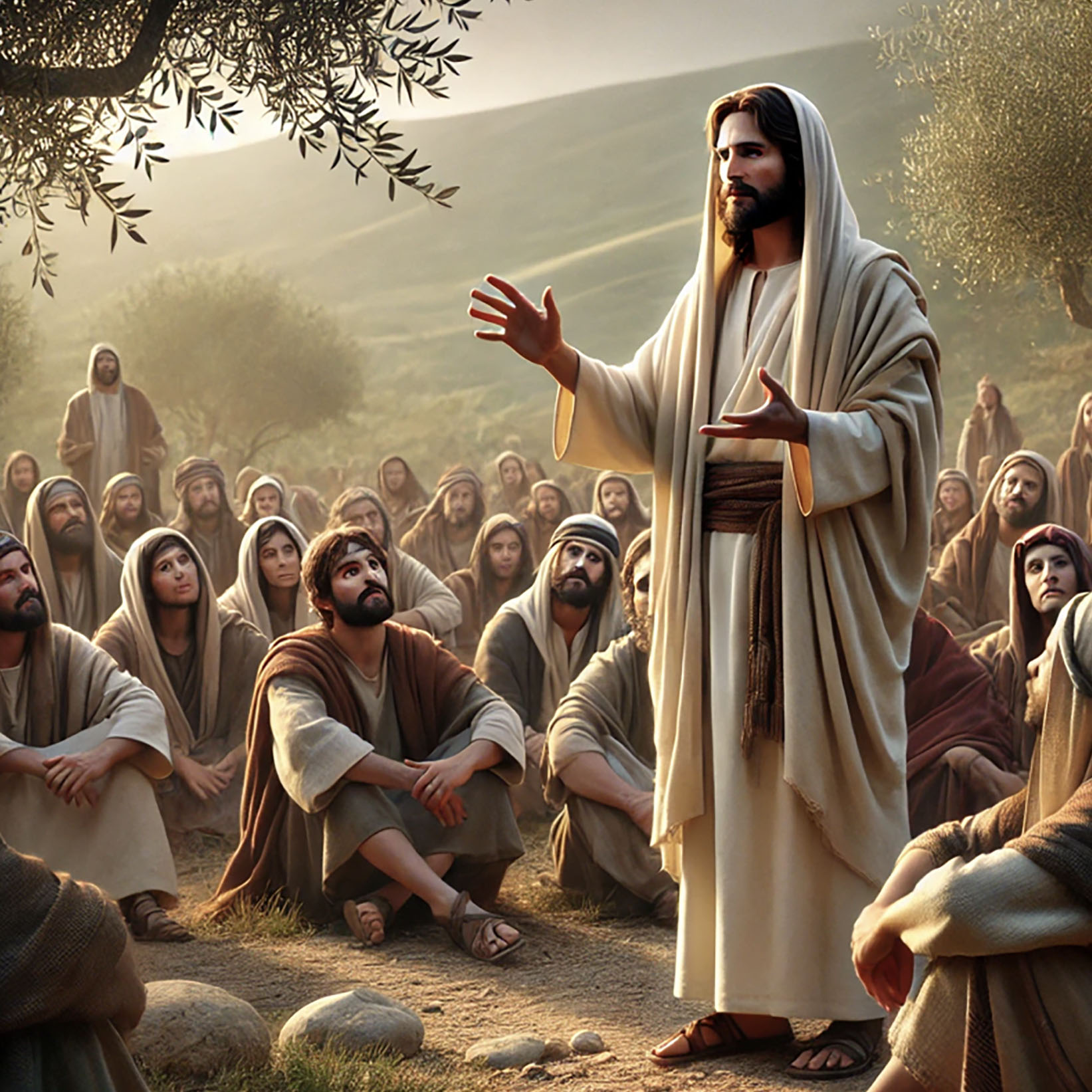
“You Must Repent,” Copyright, RCR
Today, the modern church and much of the media church, has watered down the gospel of Jesus Christ to a point where it would be unrecognizable to the early church of Jesus in the first century. Today, many religious leaders tell their members that God will accept them, simply if they turn to Jesus and believe upon Him. We do not find this half-gospel anywhere in the New Testament. Every person that Jesus called to follow Him, He called to end their former life of sin. When we find John the Baptist at the Jordan river, his primary objective was to turn the hearts of those who heard him, to repentance, so that they would be ready to receive the Messiah when he arrived.
And John went into all the region around the Jordan, preaching a baptism of repentance for the remission of sins, as it is written in the book of the words of Isaiah the prophet, saying: “The voice of one crying in the wilderness: ‘Prepare the way of the Lord; Make His paths straight. Every valley shall be filled And every mountain and hill brought low; The crooked places shall be made straight And the rough ways smooth; 6 And all flesh shall see the salvation of God.’ ” John Preaches to the People 7 Then he said to the multitudes that came out to be baptized by him, “Brood of vipers! Who warned you to flee from the wrath to come? 8 Therefore bear fruits worthy of repentance. —Luke 3:3-8
Jesus continued this message and made it clear that unless we all repent, we will all be lost—eternally
Jesus Speaking: “I tell you, no; but unless you all repent you will all likewise perish.” —Luke 13:3
Mary Magdalene has led a life of such sinfulness as a prostitute, that seven demons had chosen to occupy her body. She understood that if she was going to be free, should would have to forsake the old life that she had chose, and live a new life of righteousness. This was the message that Jesus carried from town to town, “your slavery to sin is at an end. The Messiah has come and He is about to bear all of your sin in His own body and remove them forever.
Any person who earnestly desires eternal life, must first come to Jesus in sincere horror over their sins and seek Him for their salvation. If we are unwilling to turn from our sins, salvation is not possible. If we are ready to begin a new life, Jesus is ready to convey an existence that is beyond our wildest dreams. It all starts with repentance. Repentance requires humility. Humility requires an end to pride.
The Entire New Testament Emphasizes Repentance From Sin—Before God Will Grant Salvation
Jesus twice warned, “if you all do not all repent, you will all be lost.” ~Luke 13:3
Jesus, in Luke 24:47: “There is forgiveness of sins for all who repent.”
Peter: Acts 2:38 Peter replied, “Each of you must repent of your sins and turn to God, and be baptized in the name of Jesus Christ for the forgiveness of your sins. Then you will receive the gift of the Holy Spirit.”
Acts 3:17-20 “Friends, I realize that what you and your leaders did to Jesus was done in ignorance. 18 But God was fulfilling what all the prophets had foretold about the Messiah—that he must suffer these things. 19 Now repent of your sins and turn to God, so that your sins may be wiped away. 20 Then times of refreshment will come from the presence of the Lord, and he will again send you Jesus, your appointed Messiah.
Acts 20:20-21 “I never shrank back from telling you what you needed to hear, either publicly or in your homes. 21 I have had one message for Jews and Greeks alike—the necessity of repenting from sin and turning to God, and of having faith in our Lord Jesus.”
Jesus to Paul: Acts 26:16-18 “Now get to your feet! For I have appeared to you to appoint you as my servant and witness. Tell people that you have seen me, and tell them what I will show you in the future. 17 And I will rescue you from both your own people and the Gentiles. Yes, I am sending you to the Gentiles 18 to open their eyes, so they may turn from darkness to light and from the power of Satan to God. Then they will receive forgiveness for their sins and be given a place among God’s people, who are set apart by faith in me.’”
Paul: Acts 26:20 “I preached first to those in Damascus, then in Jerusalem and throughout all Judea, and also to the Gentiles, that all must repent of their sins and turn to God—and prove they have changed by the good things they do.”
Jesus began His ministry by preaching repentance from sin, as necessary for salvation: “From then on Jesus began to preach, “Repent of your sins and turn to God, for the Kingdom of Heaven is near.” ~Matthew 4:17
John the Baptist began his ministry with the need for repentance before salvation: “In those days John the Baptist came to the Judean wilderness and began preaching. His message was, “Repent of your sins and turn to God, for the Kingdom of Heaven is near.” ~Matthew 3:1
God’s Perfection and Sovereignty: Are People Created In The Wrong Body?
Deuteronomy 32:4:
“He is the Rock; his deeds are perfect. Everything he does is just and fair. He is a faithful God who does no wrong; how just and upright he is!”
This affirms that God is perfect and incapable of error in His creation. If God creates each individual intentionally (Psalm 139:13-16), it follows that He does not make mistakes in assigning sex or gender.
Genesis 1:27:
“So God created human beings in his own image. In the image of God he created them; male and female he created them.”
Human beings are created in God’s image as male and female, with biological sex intrinsically tied to God’s design.
The biblical framework suggests that God’s creation of male and female is purposeful and reflects His intentionality, ruling out the idea of a divine “mistake.”
The Fallen World and Human Experience
While God’s creation was perfect, the fall (Genesis 3) introduced sin, brokenness, and disorder into the world. This includes physical, psychological, and emotional challenges that people face, including gender dysphoria.
Romans 8:20-23:
“Against its will, all creation was subjected to God’s curse. But with eager hope, the creation looks forward to the day when it will join God’s children in glorious freedom from death and decay.”
The presence of suffering or internal conflict, such as gender dysphoria, is part of the fallen world but does not alter God’s original design.
Jeremiah 17:9:
“The human heart is the most deceitful of all things, and desperately wicked. Who really knows how bad it is?”
Feelings or perceptions, while real, may not always align with God’s truth or design.
Biblical View of Identity
In the Bible, identity is rooted in being created in the image of God and redeemed through Christ, not in personal feelings or self-perceptions.
2 Corinthians 5:17:
“This means that anyone who belongs to Christ has become a new person. The old life is gone; a new life has begun!”
This scripture points to a transformative identity in Christ, superseding any struggles or labels derived from the fallen world.
1 Corinthians 6:19-20:
“Don’t you realize that your body is the temple of the Holy Spirit, who lives in you and was given to you by God? You do not belong to yourself, for God bought you with a high price. So you must honor God with your body.”
The body, as created by God, has inherent value and purpose, which believers are called to honor. We are to live our lives as the followers of Jesus, the way that He lived His life in purity and holiness.
Gender and Redemption
The Bible does not address transgenderism, because this issue was settled by Jesus’ statement that “from the beginning God created male and female. All of the Bible consistently upholds the distinction and purpose of male and female. Jesus reaffirms this in:
Matthew 19:4-6:
“Haven’t you read the Scriptures? They record that from the beginning ‘God made them male and female.’”
Jesus appeals to creation to affirm gender as a divine design.
Romans 12:1-2:
“And so, dear brothers and sisters, I plead with you to give your bodies to God because of all he has done for you. Let them be a living and holy sacrifice—the kind he will find acceptable. This is truly the way to worship him. Don’t copy the behavior and customs of this world, but let God transform you into a new person by changing the way you think.”
Transformation comes by aligning oneself with God’s will, not cultural trends or personal inclinations.
Compassion and Truth
John 1:14:
“The Word became human and made his home among us. He was full of unfailing love and faithfulness.”
Jesus demonstrates both grace and truth. While He loves and welcomes all people, He also calls all of us to repentance and alignment with God’s will (John 8:11).
Galatians 6:2:
“Share each other’s burdens, and in this way obey the law of Christ.”
Christians are called to bear the burdens of those struggling with gender identity, offering love and support while pointing them to God’s truth: encouraging these persons to turn from their sin of same-sex and transgender relationships and end them.
Conclusion: Could God Create Someone in the Wrong Body?
According to the Bible, God does not make mistakes. The perception of being in the “wrong body” is better understood as part of the fallen human experience rather than a divine error. This understanding requires acknowledging the real struggles some people face while affirming God’s perfect design and intention for male and female.
While critics may argue that love and acceptance mean affirming all personal identities, The Bible does not state this. The scriptures guide people toward God’s design and truth and to obey what He said about human sexuality. Accepting God’s sovereignty means recognizing that He creates each person with purpose and intentionality, and these purposes are only fulfilled by living holy and pure lives in our bodies.
God’s Sovereignty and Purpose in Creation
Psalm 139:13-16:
“You made all the delicate, inner parts of my body and knit me together in my mother’s womb. Thank you for making me so wonderfully complex! Your workmanship is marvelous—how well I know it. You watched me as I was being formed in utter seclusion, as I was woven together in the dark of the womb.”
This passage underscores that God’s creation of each individual is intentional, including their biological sex. The idea of being created in the “wrong body” conflicts with the biblical affirmation that God’s design is purposeful and good.
The Fall and Human Struggles
The effects of the fall (Genesis 3) introduced confusion, brokenness, and suffering into the human condition. This includes not only physical ailments but also psychological and emotional struggles, such as gender dysphoria.
Romans 8:22-23:
“For we know that all creation has been groaning as in the pains of childbirth right up to the present time. And we believers also groan, even though we have the Holy Spirit within us as a foretaste of future glory, for we long for our bodies to be released from sin and suffering.”
These struggles do not negate God’s original design but highlight humanity’s need for redemption and restoration in Christ.
Redemption in Christ
The ultimate goal for believers is not to redefine identity based on personal feelings but to find true identity in Christ:
Colossians 3:9-10:
“Don’t lie to each other, for you have stripped off your old sinful nature and all its wicked deeds. Put on your new nature, and be renewed as you learn to know your Creator and become like him.”
This scripture emphasizes transformation into God’s image, aligning ourselves with His truth and design.
2 Corinthians 5:17:
“This means that anyone who belongs to Christ has become a new person. The old life is gone; a new life has begun!”
Redemption involves renewal and alignment with God’s original purpose, living as either male or female in our biologic birth sex. This is how God created us, and it is the gender He expects us to live as.
Gender Dysphoria, Compasion, and Accountability
While affirming biblical truth, the church must approach individuals experiencing gender dysphoria or identifying as transgender with compassion, care, and understanding. At the same time, we must instruct person in this difficulty that the only way out of the struggle is to surrender personal will to God’s will and live as we were created, male or female.
Ephesians 4:15:
“Instead, we will speak the truth in love, growing in every way more and more like Christ, who is the head of his body, the church.”
Truth and love must coexist. Affirming God’s design as biological male or female does not preclude empathy, nor does empathy require compromising biblical truth.
1 Thessalonians 5:14:
“Brothers and sisters, we urge you to warn those who are lazy. Encourage those who are timid. Take tender care of those who are weak. Be patient with everyone.”
Patience and understanding are essential when addressing complex and sensitive issues like transgender identity.
- The Bible affirms that God is sovereign and does not make mistakes. The concept of being born in the “wrong body” is better understood as a result of the fall, manifesting in confusion or struggles with identity.
- Redemption in Christ offers hope and restoration, calling individuals to repent of all sin and align with God’s design and find their true identity in Him.
- While holding firmly to biblical truth, Christians must also extend compassion and support, helping those who struggle with gender identity to experience God’s love, grace, and transformative power, by unconditional repentance from same-sex and transgender ideology and lifestyle.
- This balanced approach allows for both the affirmation of God’s perfect design and the acknowledgment of the real challenges faced by individuals in a fallen world.
How can we communicate with persons who refuse to accept God’s authority as Creator, that He alone sets the boundaries by His laws, for how we must live? What texts can we present to persons who refuse to end their same-sex and transgender relationships and live as God intended?
Communicating with persons who do not acknowledge God’s authority as Creator or refuse to align their lives with biblical principles requires a combination of grace, truth, and sensitivity. It is important to present God’s Word in a way that reveals His love, righteousness, and invitation to reconciliation, while also respecting the individual’s freedom to choose. Below are steps for engaging in such conversations and key biblical texts to use.
Starting with God’s Love and Purpose
To reach those who reject God’s authority, emphasize His love and His design for human flourishing. The goal is to invite them to see the goodness of God and the beauty of His intentions for creation.
John 3:16-17:
“For this is how God loved the world: He gave his one and only Son, so that everyone who believes in him will not perish but have eternal life. God sent his Son into the world not to judge the world, but to save the world through him.”
Emphasize that God’s laws are an expression of His love and desire for us to live abundantly, not as arbitrary rules.
Genesis 1:27-28:
“So God created human beings in his own image. In the image of God he created them; male and female he created them. Then God blessed them and said, ‘Be fruitful and multiply. Fill the earth and govern it.’”
Show that God’s creation of male and female reflects His intentional design, which is tied to human identity and purpose.
Address the Reality of Sin
Help individuals understand that sin distorts God’s design and brings brokenness, including in areas of sexuality and identity.
Romans 3:23:
“For everyone has sinned; we all fall short of God’s glorious standard.”
Explain that all people are affected by sin and are in need of God’s grace, not singling out any one group. Sin deprives us of the abundant life God wants us to have.
Isaiah 59:2:
“It’s your sins that have cut you off from God. Because of your sins, he has turned away and will not listen anymore.”
Highlight that sin separates us from God, but He provides a way of reconciliation.
Present God’s Design for Sexuality
God’s Word clearly defines the boundaries for sexual relationships and calls all people to live in holiness.
Leviticus 18:22:
“Do not practice homosexuality, having sex with another man as with a woman. It is a detestable sin.”
Affirm that God’s design excludes homosexual behavior, not out of hatred, but because it deviates from His plan for human relationships.
1 Corinthians 6:9-11:
“Don’t you realize that those who do wrong will not inherit the Kingdom of God? Don’t fool yourselves. Those who indulge in sexual sin, or who worship idols, or commit adultery, or are male prostitutes, or practice homosexuality, or are thieves, or greedy people, or drunkards, or are abusive, or cheat people—none of these will inherit the Kingdom of God. Some of you were once like that. But you were cleansed; you were made holy; you were made right with God by calling on the name of the Lord Jesus Christ and by the Spirit of our God.”
Emphasize the transformative power of God’s grace, which offers freedom and restoration.
Matthew 19:4-6:
“Haven’t you read the Scriptures? They record that from the beginning ‘God made them male and female.’ And he said, ‘This explains why a man leaves his father and mother and is joined to his wife, and the two are united into one.’ Since they are no longer two but one, let no one split apart what God has joined together.”
Reinforce that marriage is designed by God as a union between one man and one woman.
Share the Hope of Redemption
Help individuals see that repentance and faith in Christ lead to forgiveness, transformation, and restoration.
Acts 3:19:
“Now repent of your sins and turn to God, so that your sins may be wiped away.”
Repentance is a turning away from sin and turning toward God’s grace.
2 Corinthians 5:17:
“This means that anyone who belongs to Christ has become a new person. The old life is gone; a new life has begun!”
Share that God offers a new identity and purpose in Christ, free from the bondage of sin.
Romans 8:1-2:
“So now there is no condemnation for those who belong to Christ Jesus. And because you belong to him, the power of the life-giving Spirit has freed you from the power of sin that leads to death.”
Assurance of freedom and life through Christ is central to the gospel.
Be Compassionate and Patient
People who reject God’s authority may be influenced by past hurts, a love for their sins, cultural narratives, or misunderstandings of God’s character. Approach these conversations with humility and gentleness, while encouraging repentance and ending former sins.
Colossians 4:5-6:
“Live wisely among those who are not believers, and make the most of every opportunity. Let your conversation be gracious and attractive so that you will have the right response for everyone.”
Be gracious in your words, seeking to communicate God’s truth in a way that draws people toward Him.
2 Timothy 2:24-26:
“A servant of the Lord must not quarrel but must be kind to everyone, be able to teach, and be patient with difficult people. Gently instruct those who oppose the truth. Perhaps God will change those people’s hearts, and they will learn the truth.”
Trust that God works through patient, gentle instruction to lead people to the truth.
Point to the Ultimate Goal: Reconciliation with God
The ultimate purpose of these conversations is not to win an argument but to invite people into a reconciled relationship with their Creator.
2 Corinthians 5:20:
“So we are Christ’s ambassadors; God is making his appeal through us. We speak for Christ when we plead, ‘Come back to God!’”
Emphasize the invitation to return to God and experience His love and grace.
When addressing same-sex and transgender relationships, the key is to combine biblical truth with love and compassion. Focus on God’s design, the reality of sin, the offer of redemption, and the hope of transformation in Christ. Pray for the Holy Spirit’s guidance, as only He can open hearts to receive the truth. The goal is not condemnation but restoration, pointing people to the joy and freedom found in living as God intended.
It is crucial to clarify what the Bible teaches about the consequences of refusing to repent and live as God instructed. Scripture repeatedly emphasizes that while God is loving and merciful, He is also just and will hold humanity accountable. Addressing the eternal consequences of unrepentance highlights the seriousness of rejecting God’s authority and underscores the need for repentance and faith in Christ.
The following are the biblical texts addressing the penalties for refusing to repent, including Jesus’ words in the book of Revelation about those excluded from heaven.
The Biblical Principle of Judgment for Unrepentance
Old Testament Warnings
Ezekiel 18:30-32:
“Therefore, I will judge each of you, O people of Israel, according to your actions, says the Sovereign LORD. Repent, and turn from your sins. Don’t let them destroy you! Put all your rebellion behind you, and find yourselves a new heart and a new spirit. For why should you die, O people of Israel? I don’t want you to die, says the Sovereign LORD. Turn back and live!”
God’s desire is for repentance, but He warns of judgment for persistent rebellion.
Proverbs 29:1:
“Whoever stubbornly refuses to accept criticism will suddenly be destroyed beyond recovery.”
Refusing correction leads to inevitable destruction.
New Testament Warnings
Romans 2:5-8:
“But because you are stubborn and refuse to turn from your sin, you are storing up terrible punishment for yourself. For a day of anger is coming, when God’s righteous judgment will be revealed. He will judge everyone according to what they have done. He will give eternal life to those who keep on doing good, seeking after the glory and honor and immortality that God offers. But he will pour out his anger and wrath on those who live for themselves, who refuse to obey the truth and instead live lives of wickedness.”
God’s judgment is certain for those who refuse to repent.
Hebrews 10:26-27:
“Dear friends, if we deliberately continue sinning after we have received knowledge of the truth, there is no longer any sacrifice that will cover these sins. There is only the terrible expectation of God’s judgment and the raging fire that will consume his enemies.”
Persistent unrepentance leads to the forfeiture of Christ’s sacrifice and eternal judgment.
Jesus’ Words on the Consequences of Unrepentance
Warnings in the Gospels
Matthew 7:21-23:
“Not everyone who calls out to me, ‘Lord! Lord!’ will enter the Kingdom of Heaven. Only those who actually do the will of my Father in heaven will enter. On judgment day many will say to me, ‘Lord! Lord! We prophesied in your name and cast out demons in your name and performed many miracles in your name.’ But I will reply, ‘I never knew you. Get away from me, you who break God’s laws.’”
Disobedience to God’s commands results in exclusion from the Kingdom, even for those who claim association with Him.
Luke 13:3-5:
“And you will perish, too, unless you repent of your sins and turn to God.”
Jesus explicitly states that repentance is necessary to avoid perishing.
Warning By Jesus In Revelation
Revelation 21:7-8:
“All who are victorious will inherit all these blessings, and I will be their God, and they will be my children. But cowards, unbelievers, the corrupt, murderers, the immoral, those who practice witchcraft, idol worshipers, and all liars—their fate is in the fiery lake of burning sulfur. This is the second death.”
Those who persist in sin without repentance are excluded from eternal life and face the second death.
Revelation 22:14-15:
“Blessed are those who wash their robes. They will be permitted to enter through the gates of the city and eat the fruit from the tree of life. Outside the city are the dogs—the sorcerers, the sexually immoral, the murderers, the idol worshipers, and all who love to live a lie.”
The unrepentant are excluded from the New Jerusalem, the eternal dwelling place of the redeemed.
Eternal Penalty for Refusal to Repent
Matthew 25:41-46:
“Then the King will turn to those on the left and say, ‘Away with you, you cursed ones, into the eternal fire prepared for the devil and his demons.’ … And they will go away into eternal punishment, but the righteous will go into eternal life.”
Jesus describes the final judgment, where the unrepentant face eternal separation from God.
2 Thessalonians 1:8-9:
“In flaming fire, bringing judgment on those who don’t know God and on those who refuse to obey the Good News of our Lord Jesus. They will be punished with eternal destruction, forever separated from the Lord and from his glorious power.”
Eternal separation from God is the ultimate consequence of refusing to repent and obey the gospel. Hell is the prison where the unrepentant are placed in payment for their sins.
God’s Justice and Mercy
While Scripture clearly warns of judgment for unrepentance, it is equally clear that God desires all to come to repentance:
2 Peter 3:9:
“The Lord isn’t really being slow about his promise, as some people think. No, he is being patient for your sake. He does not want anyone to be destroyed, but wants everyone to repent.”
God’s warnings are rooted in His desire for repentance and reconciliation.
The Bible teaches that refusal to repent and live according to God’s laws has serious and eternal consequences. Jesus Himself warns of exclusion from God’s Kingdom for the unrepentant and describes eternal punishment for those who persist in sin. At the same time, God’s desire is for all people to turn to Him and receive forgiveness and eternal life through Jesus Christ.
Presenting these truths requires a balance of grace and urgency, emphasizing both the seriousness of rejecting God’s authority and the incredible hope found in repentance and faith. By sharing these Scriptures with love and humility, we invite others to consider their need for reconciliation with God.
Categories: Robert Clifton Robinson
 Robert Clifton Robinson
Please see, "Guidelines For Debate," at the right-side menu. Post your comment or argument here: