Some Christians Reject The Idea That A Person Must Repent of All Sin Before Salvation Is Given By God:
“I agree that Jesus calls all of us toward repentance and transformation — none of us gets to make peace with sin.
Where I struggle with posts like this is the way “repentance” gets used like a doorway people have to pass through before Jesus will accept them. In the Gospels, Jesus meets people first — in the middle of their mess — and change grows from relationship, not from pressure or public shaming.” ~Josh
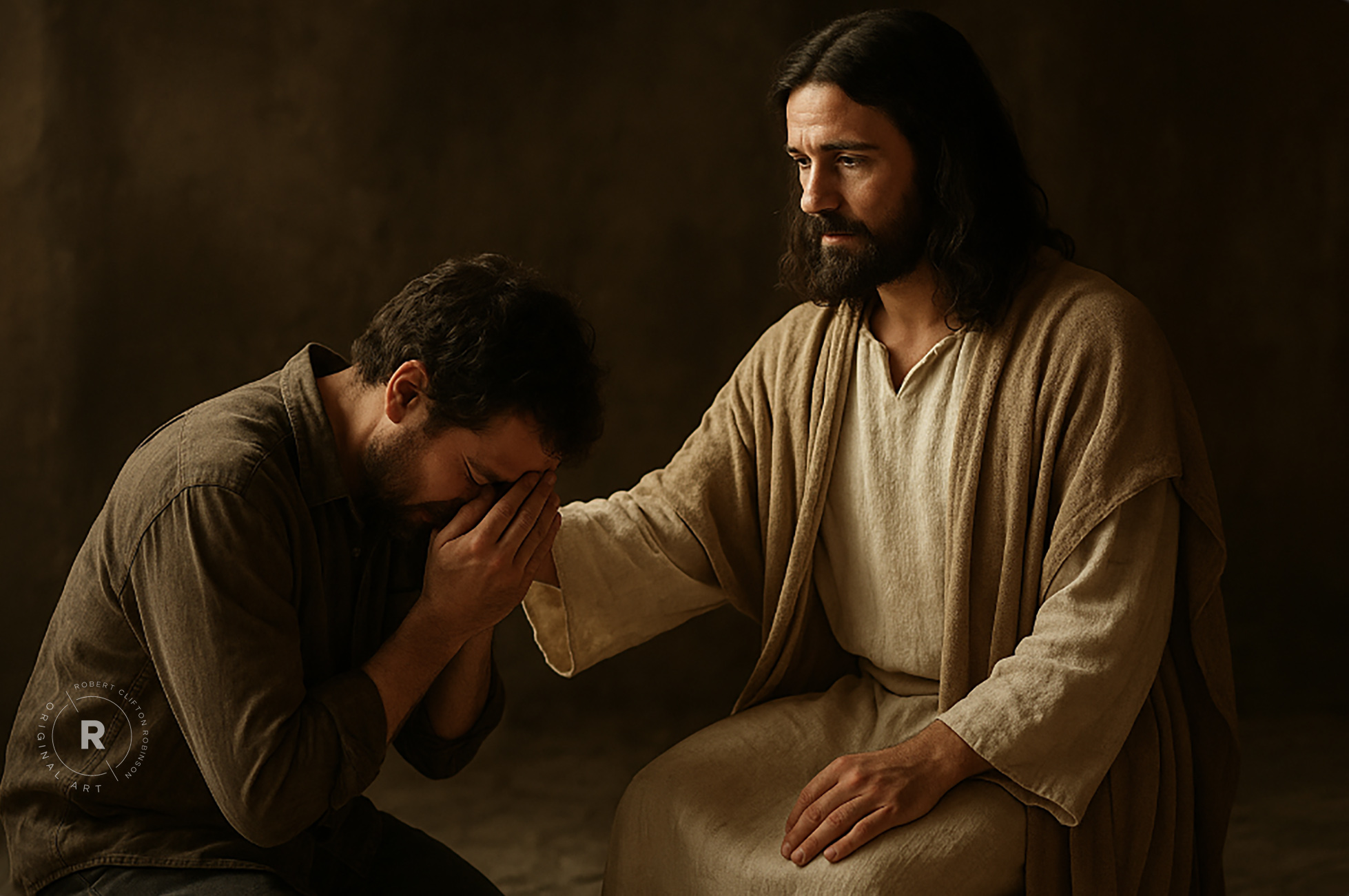
In every subject of the Bible, it is the Bible that we use to interpret itself, showing why genuine repentance is required by God before salvation is granted. We do not rely on theological systems or later traditions, but on explicit biblical texts, progressing logically from God’s nature, to human sin, to Christ’s gospel proclamation, to apostolic preaching.
God’s Holy Nature Requires a Turning From Sin
Salvation is not merely God’s rescue from the consequences of sin; it is the restoration of our relationship with a Holy God. Scripture establishes that sin separates humans from God, and for these reasons, it must be addressed, not ignored.
Isaiah 59:1–2: “It’s not that the LORD’s arm is too weak to save you, nor is his ear too deaf to hear you. Rather, your sins have separated you from God. Because of your sins, he has turned away and will not listen anymore.”
God does not merely overlook sin; a present separation exists until sin is dealt with. Repentance is the God-ordained means by which a sinner turns from sin back to God.
Habakkuk 1:13: “You are pure and cannot stand the sight of evil. Will you wink at their treachery?”
For these reasons, repentance is not optional—it is demanded by God’s holiness.
Repentance Is God’s Clear Requirement For Salvation
From the earliest words of the Prophets, God does not invite sinners to remain unchanged.
Ezekiel 18:30–32 “Repent, and turn from your sins. Don’t let them destroy you! Put all your rebellion behind you, and find yourselves a new heart and a new spirit. … Turn back and live!”
Notice the causal logic:
- No repentance equals destruction
- Repentance equals life
Repentance is not a later event that takes place after salvation; it is a moral and spiritual turning from sin before salvation is granted by God. Jesus did not suffer on the cross for all sins so that people would continue in their sins.
After repentance and salvation have occurred in the life of the believer, daily repentance from ongoing sin is necessary for continued fellowship with God.
1 John 1:5-10: “This is the message we heard from Jesus and now declare to you: God is light, and there is no darkness in him at all. 6 So we are lying if we say we have fellowship with God but go on living in spiritual darkness; we are not practicing the truth. 7 But if we are living in the light, as God is in the light, then we have fellowship with each other, and the blood of Jesus, his Son, cleanses us from all sin.
8 If we claim we have no sin, we are only fooling ourselves and not living in the truth. 9 But if we confess our sins to him, he is faithful and just to forgive us our sins and to cleanse us from all wickedness. 10 If we claim we have not sinned, we are calling God a liar and showing that his word has no place in our hearts.”
The Prophets of the Old Testament established repentance for salvation as a foundational principle that has never changed.
Ezekiel 33:11: “I take no pleasure in the death of the wicked. I want them to turn from their wicked ways and live.”
God’s desire to save does not eliminate repentance—it requires it.
Repentance Was the Central Message of John the Baptist
The New Testament begins with repentance, not grace detached from the desire to end current sins.
Matthew 3:1–2: “John the Baptist came preaching in the wilderness of Judea and saying, ‘Repent, for the kingdom of heaven is at hand.’”
John the Baptist specifically links repentance to preparation for salvation.
Luke 3:3: “He went into all the region around the Jordan, preaching a baptism of repentance for the forgiveness of sins.”
Forgiveness is not offered apart from repentance, but through it.
John the Baptist rejects superficial repentance without a desire to turn from all sins
Matthew 3:8: “Prove by the way you live that you have repented of your sins and turned to God.”
This establishes that genuine repentance produces observable change, not mere words.
Jesus Himself Required Repentance for Salvation
Jesus did not lower the requirement for repentance first—He reinforced it.
Mark 1:14–15: “Jesus came to Galilee, preaching the Good News from God. ‘The time promised by God has come at last!’ he announced. ‘Repent of your sins and believe the Good News!’”
In Mark 1:14-15, Jesus defines the proper response to hearing the Gospel and repentance from sin as two inseparable actions:
- Repent
- Believe
Belief without repentance is not salvation according to Jesus
(Jesus) in Luke 13:3: “Unless you repent, you will perish.”
Jesus does not say “unless you disbelieve.” He says, unless you repent.
Jesus states this again in Luke’s Gospel
Luke 13:5 “No, and I tell you again that unless you repent, you will perish.”
Jesus repeats the warning—showing repentance is necessary, not optional.
Repentance Is the Means by Which God Grants Forgiveness
After the resurrection, Jesus commissions the apostles with a specific message.
Luke 24:46–47: “The Messiah would suffer and die and rise from the dead on the third day. It was also written that this message would be proclaimed in the authority of his name to all the nations: ‘There is forgiveness of sins for all who repent.’”
Forgiveness is promised to those who repent, not apart from repentance.
Apostolic Preaching Confirms Repentance Precedes Salvation
Peter at Pentecost, when convicted sinners ask what to do:
Acts 2:37–38: “They were cut to the heart and said… ‘What should we do?’
Peter replied, ‘Each of you must repent of your sins and turn to God, and be baptized… for the forgiveness of your sins.’”
The order of salvation is clear:
- Repent
- Forgiveness
- Gift of the Holy Spirit
Peter Repeats This Order For Salvation:
Acts 3:19: “Now repent of your sins and turn to God, so that your sins may be wiped away.”
Forgiveness follows repentance—it does not precede it.
Repentance Is God’s Gracious Gift, Not Human Merit
Scripture clarifies that repentance is not a work that earns salvation, but a response enabled by God.
Acts 11:18: “Then God has granted repentance that leads to life even to the Gentiles.”
2 Timothy 2:25: “God may perhaps grant them repentance leading to a knowledge of the truth.”
Repentance is required, yet granted by God, ensuring salvation remains entirely by grace.
Repentance is not just sorrow over sin, but a sincere Desire To end current sins
Paul distinguishes between false remorse and genuine repentance, before salvation and after salvation:
2 Corinthians 7:8-10: I am not sorry that I sent that severe letter to you, though I was sorry at first, for I know it was painful to you for a little while. 9 Now I am glad I sent it, not because it hurt you, but because the pain caused you to repent and change your ways. It was the kind of sorrow God wants his people to have, so you were not harmed by us in any way. 10 For the kind of sorrow God wants us to experience leads us away from sin and results in salvation. There’s no regret for that kind of sorrow. But worldly sorrow, which lacks repentance, results in spiritual death.
Sorrow by itself is not enough; repentance must include a desire to end the former sins.
Faith Without Repentance Is Dead
Scripture does not separate repentance from saving faith.
Acts 20:21: “I have had one message for Jews and Greeks alike—the necessity of repenting from sin and turning to God, and of having faith in our Lord Jesus.”
Both are required. Neither replaces the other.
James 2:17: “Faith by itself isn’t enough. Unless it produces good deeds, it is dead and useless.”
Repentance is the internal Event That Causes The External Desire For Change
God Commands Repentance of All People
Acts 17:30–31: “God overlooked people’s ignorance about these things in earlier times, but now he commands everyone everywhere to repent. For he has set a day for judging the world…”
Judgment is universal—so repentance must be universal.
Scripture Proves Scripture; From Genesis to Revelation, the Bible teaches that sin separates us from God.
- God is Holy and does not ignore sin
- Jesus commanded repentance
- The apostles preached repentance
- Forgiveness is granted through repentance
- Repentance is God-enabled, not self-earned
- Faith without repentance is dead
- Without repentance, salvation is not granted
Proverbs 28:13: “People who conceal their sins will not prosper, but if they confess and turn from them, they will receive mercy.”
This is why genuine repentance (change of lifestyle) is required before salvation is granted—not because God is unwilling to save, but because salvation restores sinners into fellowship with a holy God, and that restoration cannot occur without a true change of heart that produces a change of actions.
Categories: Robert Clifton Robinson
 Robert Clifton Robinson
Please see, "Guidelines For Debate," at the right-side menu. Post your comment or argument here: