Just announced: Khamenei, the supreme leader of Iran, was killed by US and Israeli air strikes on his compound (Saturday, February 28, 2026, 1:05 pm MT)
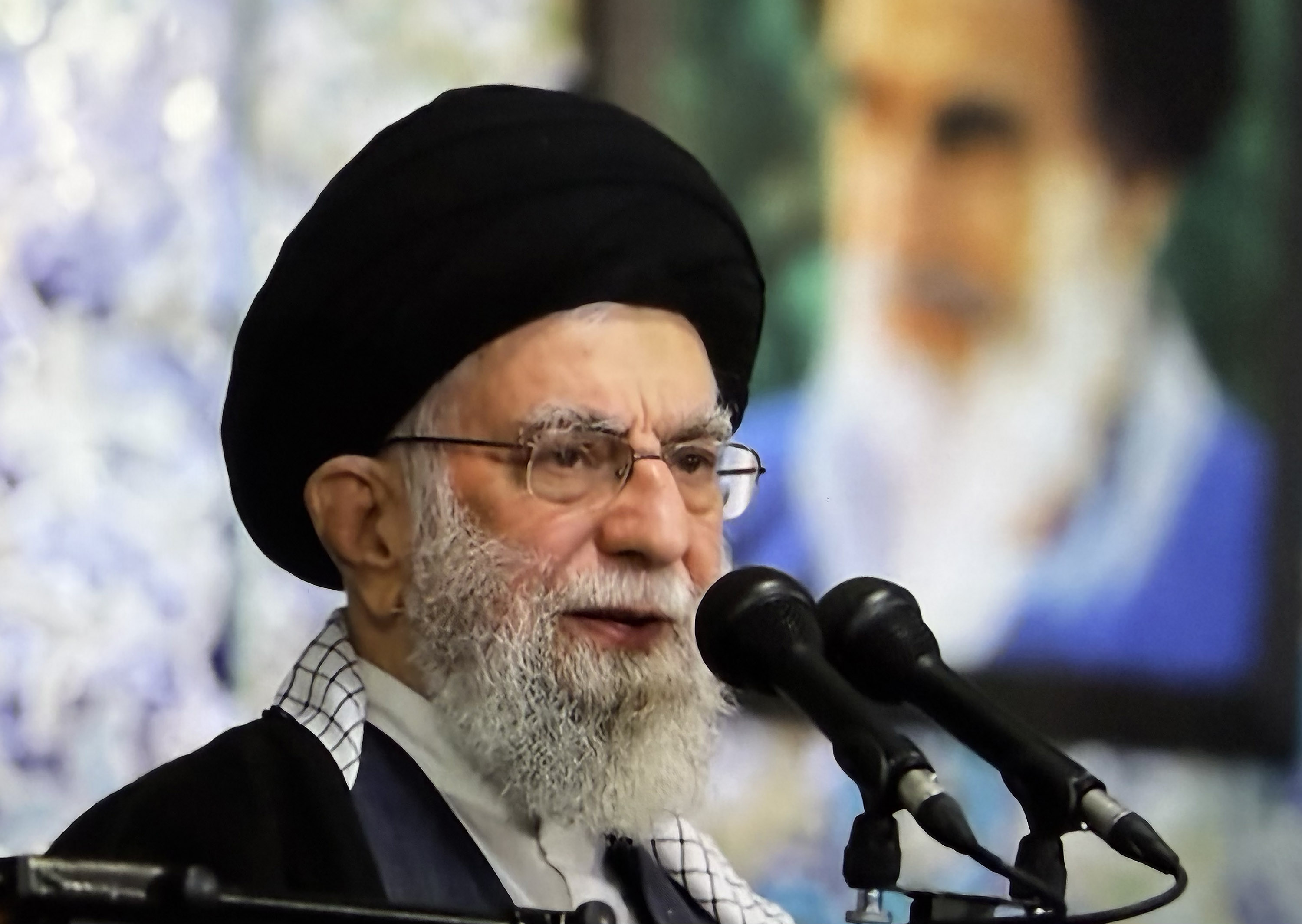
Major Military Action Has Taken Place
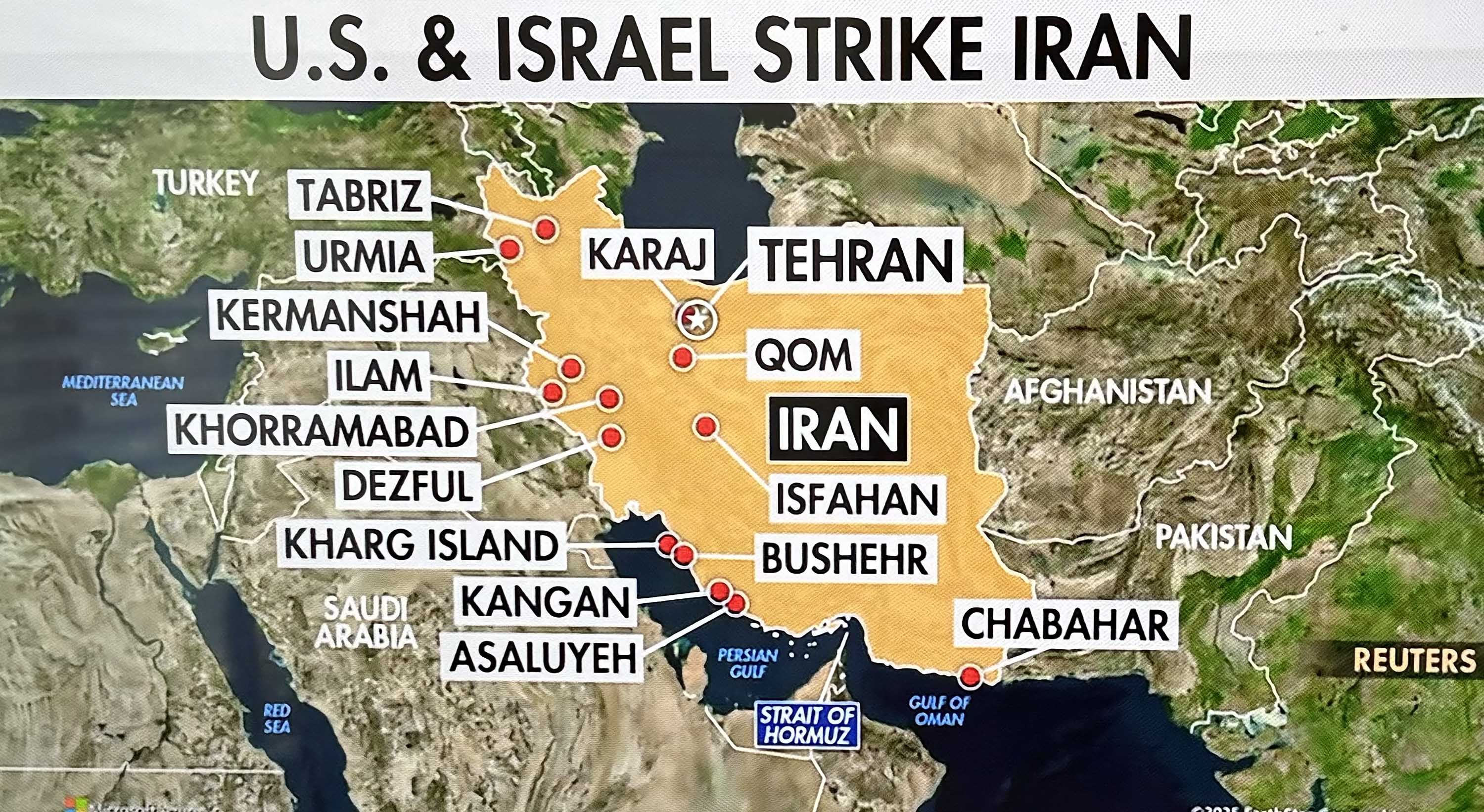
A large-scale joint military operation by the United States and Israel began on February 28, 2026, involving extensive airstrikes and attacks targeting Iranian military and nuclear sites. Iranian cities, including Tehran, were struck, with explosions reported across the country and in nearby Gulf states. Iran has launched retaliatory missile strikes targeting Israel and U.S. bases in the region.
Israeli Officials Claim Khamenei Was Killed
Israeli government officials — including Prime Minister Benjamin Netanyahu — stated there are strong indications that Ayatollah Ali Khamenei was killed in the attacks. They said his compound was destroyed and that senior Iranian officials and commanders were eliminated. Some reports say Israeli sources claim his body has been found and confirmed dead.
Iranian Officials Deny or Have Not Confirmed the Death
Iran’s foreign ministry and state media have denied Khamenei’s death, saying he and President Masoud Pezeshkian were safe, at least earlier in the day. Some reports indicate plans for a televised speech by Khamenei later in the day, which would suggest he is alive — though that has not yet been widely confirmed.
Context on Ayatollah Ali Khamenei
Ayatollah Ali Khamenei has been Iran’s Supreme Leader since 1989, making him one of the longest-serving heads of state in the Middle East. As Supreme Leader, he held final authority over Iran’s executive, military, and judicial branches, and his death would represent an unprecedented moment in Iranian and regional politics.
Regional and Global Implications
If confirmed, Khamenei’s death could trigger:
- A leadership succession crisis within Iran, as the constitution calls for the Assembly of Experts to select a new Supreme Leader.
- Escalation of the conflict across the Middle East, with possible involvement from proxy groups allied to Iran.
- Shockwaves through global oil markets, given Iran’s role in petroleum exports.
- A major diplomatic crisis involving the U.N. Security Council and world powers.
These broader impacts are already being discussed by international leaders and commentators.
UPDATE: Current Status (Most Recent Reports)
Israeli and U.S. officials are saying Ayatollah Ali Khamenei has been killed. Israeli sources — including senior government and military officials — claim that Khamenei’s body was found under ruins after the joint U.S.–Israel strikes, and they are treating this as a confirmed death.
Israeli leaders, including Prime Minister Benjamin Netanyahu, have publicly stated there are “many signs” that Khamenei is “no longer alive” following the destruction of his compound and targeted attacks on Iranian leadership targets.
Reported Senior Iranian Officials Likely Killed
According to multiple credible reports from Reuters and aggregated news coverage, several prominent Iranian figures were reported killed in the joint U.S.–Israel strikes on Iran — though official Iranian confirmation remains limited or disputed:
Amir Nasirzadeh — Iran’s Defence Minister; reported by multiple sources as killed in the strikes.
Mohammad Pakpour — Commander in the Islamic Revolutionary Guard Corps (IRGC), believed killed in attacks targeting regime leadership.
These two names are the key senior military figures currently reported as killed in the February 28 strikes.
Additional Reports from Other Outlets (Not Yet Independently Verified)
Several media sources have circulated additional names of senior IRGC or intelligence officials said to have been killed. These reports have not been confirmed independently by major international news agencies at this time, but they are circulating in real-time coverage:
Javad Pourhossein — described as head of foreign intelligence (according to Iran International).
Mohammad-Reza Bajestani — head of security unit (per Iran International).
Ali Kheirandish — head of counterterrorism unit (Iran International).
Saeed Ehya Hamidi — senior adviser on war with Israel (Iran International).
These additional names come from regional media and not from official Iranian statements or confirmed independent reporting yet, so they should be treated as tentative at this stage.
UPDATE: 40 Senior Regime Figures in Iran were Killed in the US/Israeli Airstrike
There are also reports from some sources that Khamenei’s son-in-law and daughter-in-law were killed in collateral strikes, but these claims have not been independently verified by major news agencies or confirmed by Iranian state media.
How Does The Death of the Iranian Leader, Khamenei, and Other Leaders, Affect The Prophecies of the Last Days?
In Ezekiel 38:5, Persia (modern Iran) is explicitly named as part of the final northern coalition that comes against Israel: “Persia, Cush, and Put are with them…”
This is not symbolic language. It is a proper geopolitical name, confirmed linguistically, historically, and geographically.
Implication of a Leadership Collapse
If Iran’s supreme leadership were removed or destabilized: Iran does not disappear from prophecy, but its mode of participation may change. The coalition may reorganize, delay, or radicalize
A weakened Iran could become more reckless, accelerating conflict, become more desperate, leaning harder on Russia, and undergo internal chaos, enabling a future hardliner to emerge (Daniel-style “little horn” logic)
Ezekiel does not require Iran to be strong—only present.
The Removal of Restraining Leadership (Daniel Principle)
The Bible repeatedly shows that God removes rulers to advance His redemptive timeline.
“He removes kings and establishes kings.” — Daniel 2:21
Examples:
- Pharaoh hardened → Exodus accelerated
- Saul removed → Davidic covenant advanced
- Herod removed → Gospel expansion followed
If Khamenei is indeed removed, this fits a biblical pattern, not an anomaly. Prophecy often advances not by stability—but by sudden vacuum.
The Acceleration Toward a False Peace (Daniel 9:27)
Daniel 9:27 describes a coming figure who: “will confirm a covenant with many for one week.”
This is not world peace—It is regional, political, and temporary.
How Current Events Relate To The Daniel Prophecy:
A destabilized Iran could:
- Remove a primary spoiler of Middle East negotiations
- Create international urgency for a security framework
- Enable a future leader to emerge as a “problem-solver.”
Biblical prophecy requires chaos before counterfeit peace.
The Alignment with Jesus’ “Birth Pangs” (Matthew 24). Jesus said the end would be preceded not by singular disasters, but stacked, accelerating instability:
“You will hear of wars and rumors of wars… but the end is not yet.” — Matthew 24:6–8
What matters is not one event, but convergence: Israel surrounded by hostile actors
What Iran’s Leadership Removal Could Result In:
- Global Moral confusion
- Technological surveillance capability
- Calls for global governance and security
- Leadership decapitation in Iran fits the pattern of escalation—not completion.
- These are prequels to the world-government of the antichrist during the seven-year Tribulation.
The removal of Iran’s supreme leadership:
- Does not Invalidate Ezekiel 38—but reconfigure Persia’s role in the Ezekiel 38 scenario, later.
- Accelerates instability necessary for false peace initiatives.
- Aligns with Jesus’ birth-pang framework.
- Reinforces the biblical theme that God removes rulers at critical junctures.
- Increases—Last Day events.
The Bible consistently shows that the Last Days arrive suddenly and trigger the arrival of a world-leader who precipitates the final seven-year Tribulation described throughout the Bible
See Rob’s new book: “Days of Wrath: The Final Sign” The Final Events Of The Last Days
Categories: Robert Clifton Robinson
 Robert Clifton Robinson
Notice that most of the strikes came in the territory known formerly as Elam. Jeremiah 49:34-39?
LikeLike