Catholics Insist That The First Church Was The Catholic Church. When did the Catholic Church really begin?
The answer depends on what is meant by “the Catholic Church.” Historically and theologically, there are three distinct questions:
- When did the Church founded by Jesus begin?
- When was the term “Catholic Church” first used?
- When did the Roman Catholic Church emerge as the institution we recognize today?

Copyright ©, 2026 Robert Clifton Robinson
The Church Founded by Jesus
The New Testament teaches that Jesus founded His Church during His earthly ministry.
“I will build my church, and the gates of Hades will not prevail against it.” (Matthew 16:18)
The Church was publicly inaugurated on the Day of Pentecost after Jesus’ resurrection and ascension.
“And they were all filled with the Holy Spirit…” (Acts 2:1–4)
About 3,000 people believed that day (Acts 2:41), and the New Testament consistently portrays Pentecost as the beginning of the New Covenant community.
This defines the True Church of Jesus as Founded by Jesus Christ
Beginning: Pentecost, about A.D. 30–33
Authority: Christ and His apostles
Rule of faith: The teaching of the apostles (Acts 2:42)
No one disputes that the Christian Church began in the first century.
When Was the Name “Catholic Church” First Used?
The earliest known surviving use of the phrase “the Catholic Church” occurs in the writings of Ignatius of Antioch around A.D. 107. He wrote:
“Wherever Jesus Christ is, there is the Catholic Church.”
The Greek word katholikos (καθολικός) simply means: universal according to the whole and complete. At that time, it did not mean “Roman Catholic.” It referred to the universal body of believers throughout the world.
Neither Ignatius nor other early writers were describing the medieval Roman Catholic institution.
The Early First Century Church Was Not The Roman Catholic Church
During the first three centuries, there was no pope exercising universal jurisdiction over all Christians. Bishops governed local churches. Church councils settled doctrinal disputes. Many doctrines associated with later Roman Catholicism had not yet developed. The New Testament itself presents leadership through apostles and local elders rather than a centralized papal monarchy.
The Turning Point: Constantine
A major historical change occurred after the conversion of Constantine the Great.
A.D. 313: The Edict of Milan legalized Christianity.
Christianity changed from a persecuted faith into a legally protected religion.
A.D. 325: The Council of Nicaea met under Constantine.
This council defended Christ’s deity but also marked increasing cooperation between Church and State. Although many assume Constantine founded the Roman Catholic Church, that is historically incorrect.
Jesus neither founded Christianity nor established the papacy. Jesus simply said: “Follow Me.”
When Did the Roman Catholic Church Develop?
The institution recognized today as the Roman Catholic Church developed gradually over centuries. The Major milestones in the second to fourth Centuries saw a growth of episcopal authority. and the increasing influence of the bishop of Rome.
A.D. 380: Theodosius I declared Nicene Christianity the official religion of the Roman Empire.
Church and state became closely intertwined.
Fifth Century
Leo the Ist strongly advanced claims of Roman primacy.
Sixth Century
The bishop of Rome increasingly functioned as the leading bishop in Western Christianity.
Seventh–Eighth Centuries
Papal political authority expanded.
1054 AD
The Great Schism formally divided Eastern Orthodoxy and the Western Roman Church.
From this point forward, the Western church became distinctively known as the Roman Catholic Church.
1545–1563
The Council of Trent formally defined many Roman Catholic doctrines in response to the Protestant Reformation.
Did the Apostles Teach Later Roman Catholic Doctrines?
Doctrines Taught by the Catholic Church But Not Found In The New Testament:
| Doctrine | New Testament | Later Formal Development |
|---|---|---|
| Papal infallibility | Not taught | 1870 (First Vatican Council) |
| Immaculate Conception of Mary | Not taught | 1854 |
| Bodily Assumption of Mary | Not taught | 1950 |
| Treasury of Merit | Not taught | 500-1500 AD |
| Indulgences | Not taught | 500-1500 AD |
| Purgatory as later defined | Not taught explicitly | 500-1500 AD |
| Seven Sacraments | Not fixed in the New Testament | 500-1500 AD |
Roman Catholic theologians generally argue these are legitimate developments of apostolic teaching through Sacred Tradition, whereas the First-Century followers of Jesus, to the present day, teach that doctrine should be established by Scripture alone (sola Scriptura).
A Balanced Historical Conclusion
From a historical perspective, the following are the facts:
- The Church founded by Jesus Christ began at Pentecost around A.D. 30–33.
- The expression “Catholic Church” first appears around A.D. 107 in Ignatius of Antioch, where it meant the universal Church rather than the Roman Catholic denomination.
- The Roman Catholic Church, as a centralized institution headed by the bishop of Rome, developed gradually over several centuries through theological, ecclesiastical, and political developments, particularly after Constantine, Theodosius I, Leo I, and later medieval history.
- Many doctrines that distinguish modern Roman Catholicism from Protestantism were formally defined centuries after the apostolic age.
Historically, it is inaccurate either to say that the Roman Catholic Church began fully formed at Pentecost or that it was suddenly founded by Constantine. The historical evidence indicates a gradual development from the apostolic Church into the medieval Roman Catholic institution that exists today.
The Historical Christian Church Was Founded by Jesus in the Book of Acts, Chapter 2
Jesus taught that His followers rely upon scripture for doctrine, teaching, and authority. Paul continued what Jesus taught regarding where His followers should receive their teaching from: Scriptures, both the Old Testament and the New Testament.
NOTHING ELSE!
See The Complete Teaching of Jesus From The New Testament In “These Things Were Written: An Expositional Treatise on the Life, Death, and Resurrection of Jesus
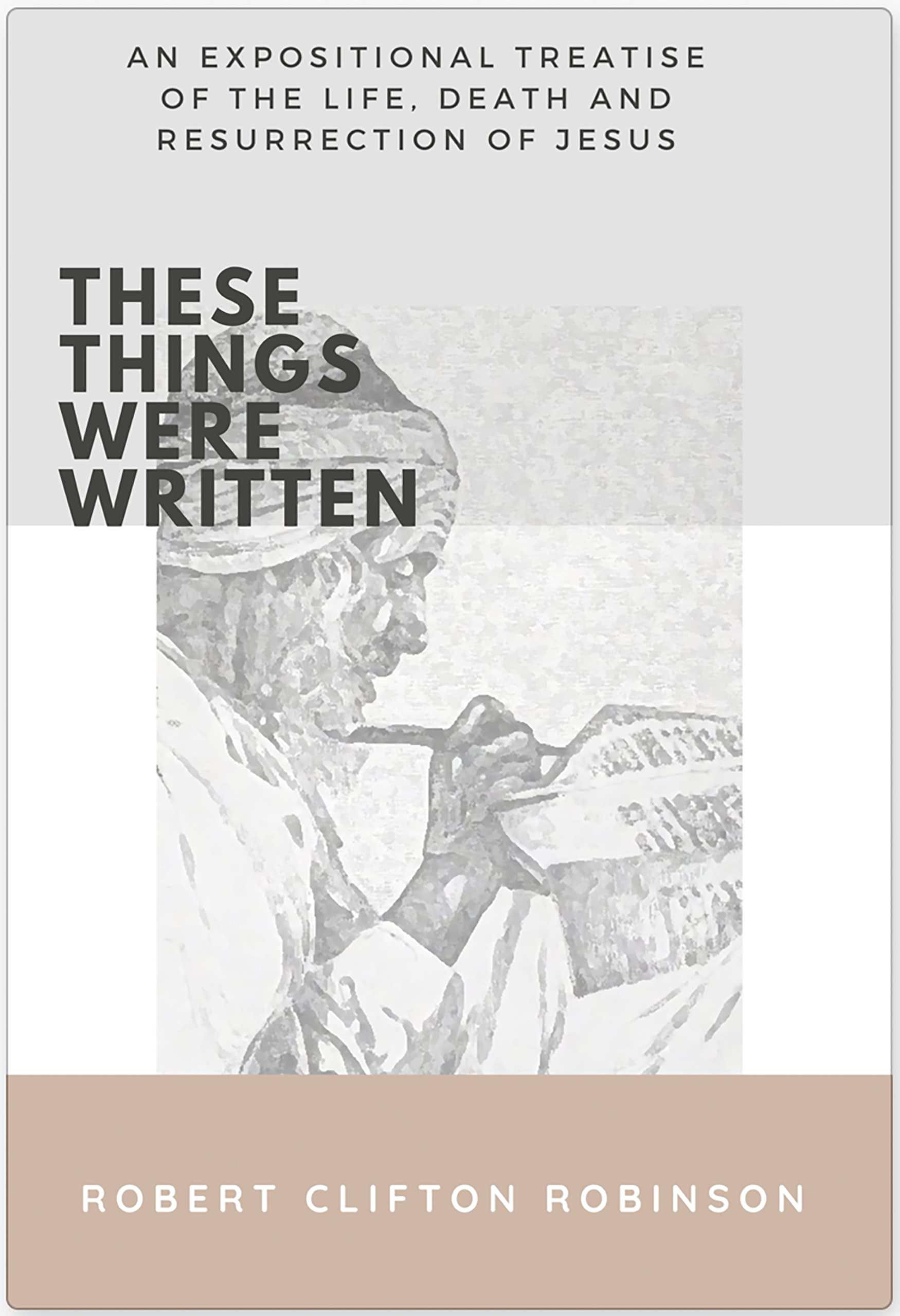
Click The Image To Look Inside
See All 57 of Rob’s Books at Amazon
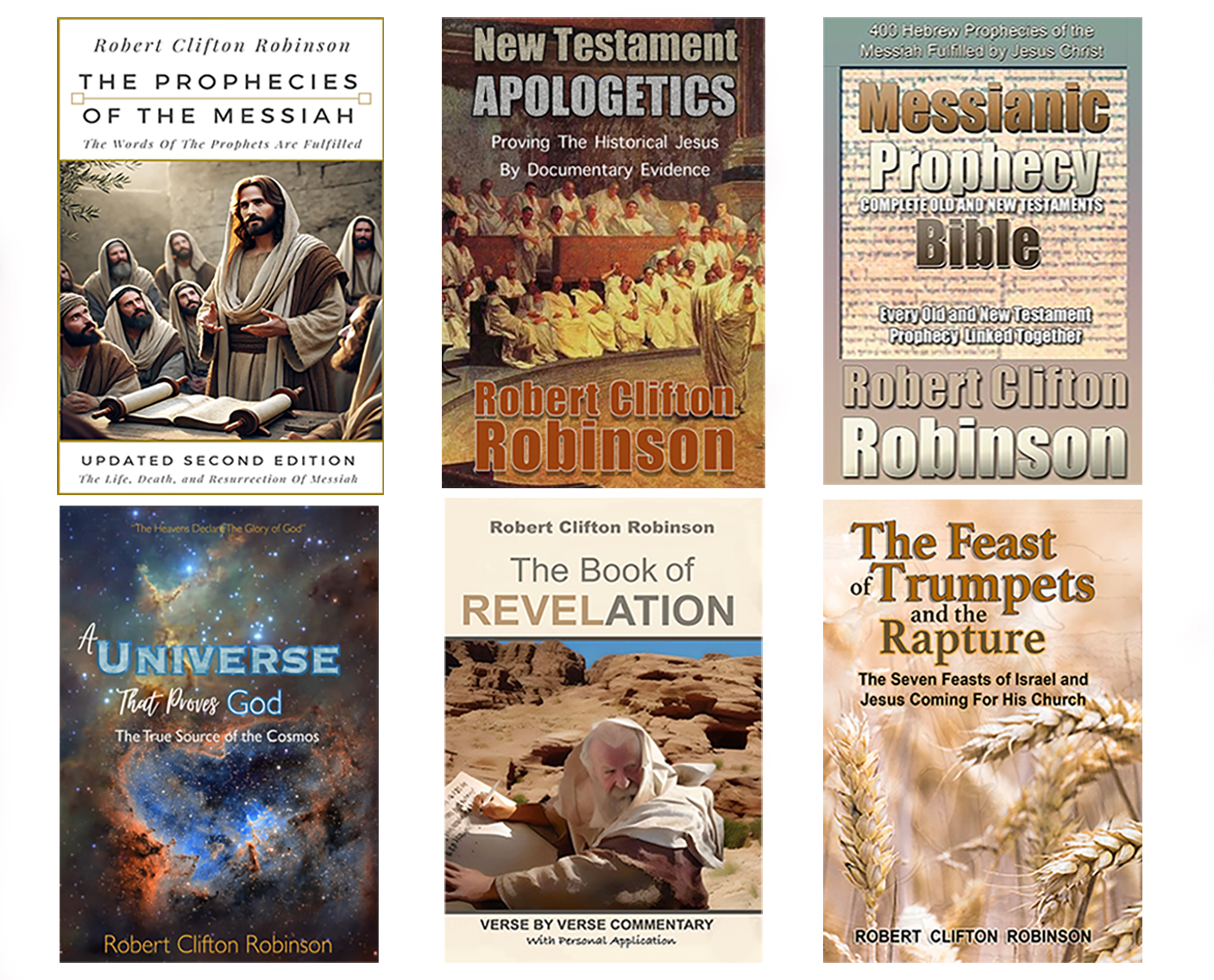
See All 57 of Rob’s Books
Categories: Robert Clifton Robinson


I am often truly amazed at the amount of knowledge the Holy Spirit has shared with our Brother Rob. Also amazing is Brother Rob’s courage to shared this knowledge with us at the cost of his personal self. I thank the Holy Spirit for this partnership for it has been for the benefit of all who seek Christ and a Fellowship with Him. Thank you Brother Rob.
LikeLiked by 1 person