Twenty years ago, when I began teaching about the return of Jesus for His church during the Feast of Trumpets, very few people were listening. Today, in 2026, there are massive numbers of people anticipating the return of Jesus during the Fifth Feast of the Lord, the Feast of Trumpets (Rosh Hashanah).
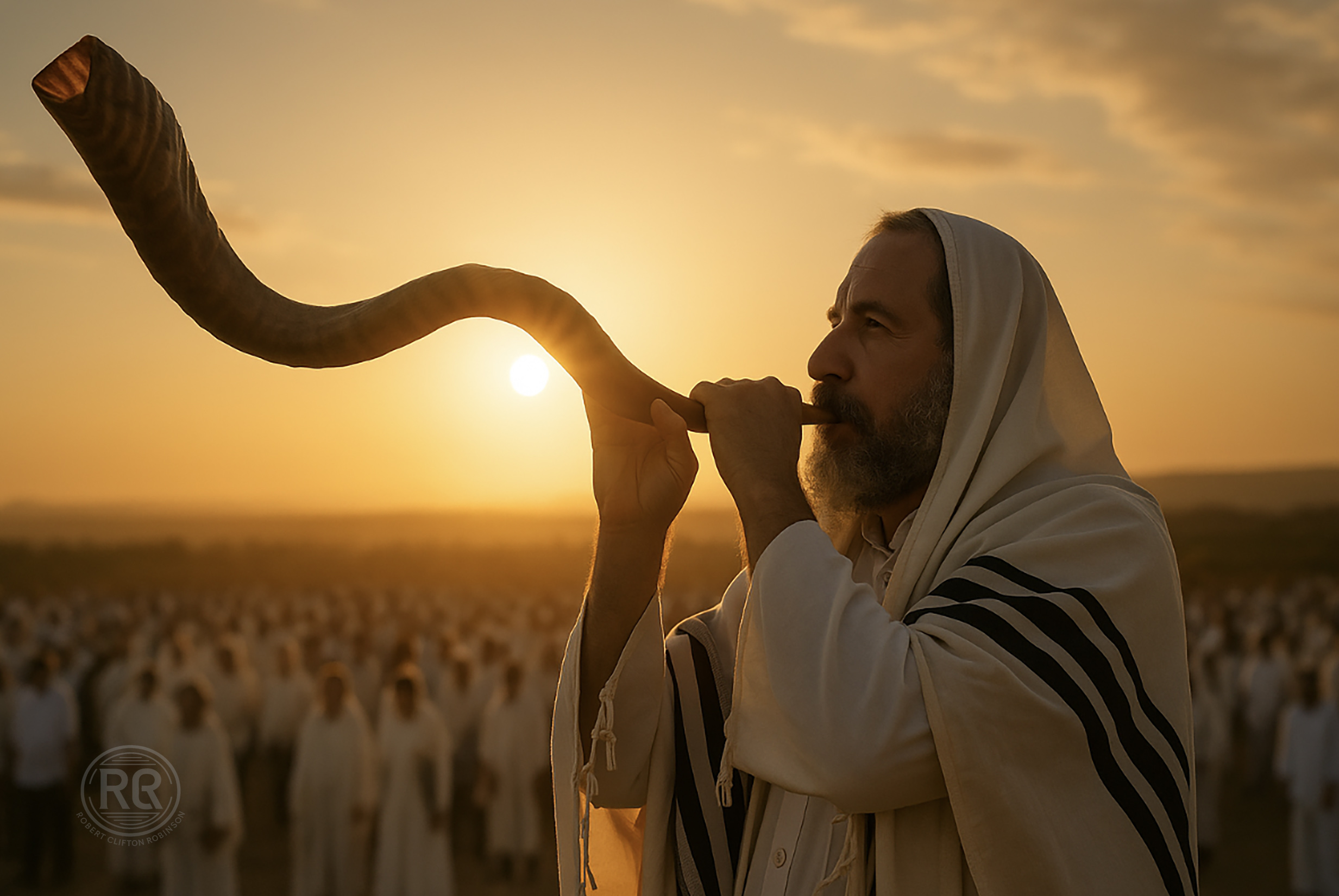
Jesus said: “No one knows the day or the hour.”
Date-setters have been the scourge of the discussion about when Jesus might return. Can we know the Time and Season of His return without setting a date? Yes, I believe that Jesus wants us to pay attention to what is happening in the world that indicates His arrival is near. At the same time, setting a specific day is not to be attempted. I believe that in the study of the seven Feasts of the Lord, we find balance between these two biblical principles.
Perhaps most exciting in 2026 is the visibility of Messianic Jews who are anticipating the return of Messiah-Jesus, perhaps this year, during Rosh Hashanah, September 11-13.
One question I always ask skeptics and critics of the Rapture-Trumpets parallel is, “Why did Jesus intentionally fulfill the first four Feasts of the Lord on the exact day and in the precise way these feasts demanded in the Old Testament?
When critics read my book, “The Feast Of Trumpets And The Rapture,” and see the scriptural evidence I present, very few doubt the intentional nature of Jesus in fulfilling these first four Feasts of the Lord. What this book explains, and what a majority of people don’t know, is that there were good reasons that Jesus made many of His statements about these first four feasts that we now know He precisely fulfilled in the historical record. Jesus was preparing us to watch the events we are living in today and think of them in the light of these first four feasts and the fifth that will arrive later.
 On the 10th day of the first month (April), the children of Israel crossed the Jordan River with Joshua and entered the land God had promised them when they departed Egypt. When we arrive at the New Testament, we see that it was also the 10th day of the first month when Jesus came to Jerusalem to announce to the world that He was the promised Messiah. Jesus waited until this day, when on many occasions before, the disciples had urged Him to go to Jerusalem and declare who He was. Jesus told the disciples, “My time has not yet come.”
The Lord has ordained certain days in which He would fulfill His prophetic word. We discover that the day Jesus came into Jerusalem as the Messiah was also the precise day the lamb for Passover was brought for inspection. If the lamb was found to have any defect, he could not be offered to cleanse the people of their sins. Jesus came to Jerusalem as the Messiah on this day. He presented Himself as the Lamb of God and allowed the world to inspect Him. Jesus was without sin, perfect in every regard. Being perfect, He was able to offer His life for the sins of the world just four days later, on Passover, when He was crucified as the Lamb of God who takes away the sins of the world.
When Jesus came into the world for the first time, He perfectly fulfilled the first four of these Feasts on the precise day they should be fulfilled and with the exact requirements that each of these feasts called for. Matthew said, on seventeen occasions, that it might be fulfilled which was spoken by the prophet, saying. It is clear that Matthew believed Jesus was fulfilling all of the Old Testament prophecies that were written for the Messiah; these include the seven feasts. Jesus understood that He was purposely fulfilling these seven feasts.
The question is: Why? What do these feasts of the Lord have to do with Jesus’ appearance on earth and His return at the end of the age? Jesus fulfilled Passover, Unleavened Bread, First Fruits, and Pentecost perfectly. Why did He stop at Pentecost and not also fulfill Trumpets, Atonement, and Tabernacles?
People who object to date-setting for the return of Jesus (myself included) find that, with Jesus’ admonition to not set a date for His return for His church (1 Thessalonians 4:13-18), He also scolded the religious leaders of Israel for not recognizing the “Times and Seasons” for His first arrival on earth.
Isaiah describes two arrivals of the Messiah. Once to die for the sins of the world; a second time to establish His Kingdom on Earth for a thousand years. When Jesus went to His hometown of Nazareth, He was handed the scroll of Isaiah, and He cited this precise text from Isaiah 61 that predicts two arrivals of the Messiah.
Luke 4:16-20: “So Jesus came to Nazareth, where He had been brought up. And as His custom was, He went into the synagogue on the Sabbath day and stood up to read. And He was handed the book of the prophet Isaiah. And when He had opened the book, He found the place where it was written: “The Spirit of the LORD is upon Me.”
Examining the original text recorded by Isaiah:
Isaiah 61:1-3 1 “The Spirit of the Lord GOD is upon Me, because the LORD has anointed Me to preach good tidings to the poor; He has sent Me to heal the brokenhearted, to proclaim liberty to the captives, and the opening of the prison to those who are bound;
2 To proclaim the acceptable year of the LORD, And the day of vengeance of our God; To comfort all who mourn, 3 To console those who mourn in Zion, To give them beauty for ashes, the oil of joy for mourning, The garment of praise for the spirit of heaviness; That they may be called trees of righteousness, The planting of the LORD, that He may be glorified.”
New Testament Confirmation and a dual fulfillment:
When Jesus arrived at Nazareth, He entered the synagogue and was handed the scroll of Isaiah. Jesus opens chapter 61 and informs those in attendance that He is fulfilling the words of Isaiah’s prophecy at that precise moment.
The Old Testament Prophecy:
Isaiah 61:1-62: “The Spirit of the Lord GOD is upon Me, Because the LORD has anointed Me To preach good tidings to the poor; He has sent Me to heal the brokenhearted, To proclaim liberty to the captives, And the opening of the prison to those who are bound; To proclaim the acceptable year of the LORD, And the day of vengeance of our God…”
Compare Isaiah’s words to those spoken by Jesus when He came to the synagogue at Nazareth and quoted from this verse found in Isaiah 61:
Luke 4:16-20: “So Jesus came to Nazareth, where He had been brought up. And as His custom was, He went into the synagogue on the Sabbath day, and stood up to read. And He was handed the book of the prophet Isaiah. And when He had opened the book, He found the place where it was written: “The Spirit of the LORD is upon Me, Because He has anointed Me To preach the gospel to the poor; He has sent Me to heal the brokenhearted, To proclaim liberty to the captives And recovery of sight to the blind, To set at liberty those who are oppressed; To proclaim the acceptable year of the LORD.” Then he closed the book, gave it back to the attendant, and sat down. And the eyes of all who were in the synagogue were fixed on Him.”
Notice that Jesus omitted the text: “And the day of vengeance of our God…”
Why?
At Jesus’ first arrival on earth, He was coming to proclaim the “acceptable year of the Lord,” as the suffering servant of God—the Lamb who would lay down His life for the sins of the world. At Jesus’ second appearance on earth, at the end of the seven-year Tribulation, He is coming as King of kings and Lord of lords, to bring judgment at the “day of vengeance.”
When Jesus finished reading the words of Isaiah Chapter 61, He rolled up the scroll and handed it back to the attendant. Luke 4:21: “As He sat down, the eyes of all those in the synagogue were transfixed on Jesus. Then He said these words: Today this Scripture is fulfilled in your hearing.”
Those who heard Jesus speak in the synagogue were utterly astonished. The words of these prophecies, from Isaiah Chapter 61, could only be fulfilled by the coming of the Messiah. By stating that this prophecy had been fulfilled as Jesus spoke, He was claiming to be the Messiah. Jesus said that He would fulfill the first part of Isaiah 61—the acceptable year of the Lord—during His first arrival, and then the day of vengeance of our God at His return.
Jesus revealed something to us that was hidden in verse 12 of Isaiah 61: There were two parts to the fulfillment of this prophecy.
Isaiah 61:2: (Part 1) To proclaim the acceptable year of the LORD, (Part 2) and the day of vengeance of our God…
Part one: to fulfill the acceptable year of the Lord—the time when God would pardon the sins of anyone who came to Jesus and believed in Him as their Savior.
Part two: the day of vengeance would be fulfilled at the end of the seven-year Tribulation, when Jesus would return to earth with His church (Revelation 19) and rule over the whole earth for one thousand years as absolute King and Lord.
This example from Isaiah 61, which is partially fulfilled in Luke Chapter 4, demonstrates that there can be an earlier fulfillment as well as a later fulfillment of the same prophecy.
The Seven Feasts Of Israel
In the Books of Exodus, Leviticus, and Deuteronomy, the Lord commanded Israel to observe seven feasts or festival days. Jesus intentionally fulfilled the first four Feasts, indicated below in bold.
- Passover
- Unleavened bread
- First Fruits
- Pentecost
- Trumpets
- Atonement
- Tabernacles
When Jesus came into the world for the first time, He perfectly fulfilled the first four of these Feasts on the precise day they should be fulfilled and with the exact requirements that each of these feasts called for.
Then at the end of Jesus’ public ministry on Earth, He described what follows in the expanse of time we have lived during the last two thousand years, as “The Time of Harvest.”
- Passover: Jesus became the Passover Lamb and died for the sins of the world on Passover.
- Unleavened Bread: Jesus lay dead in the grave, unraised, during the exact time when the Feast of Unleavened Bread was observed.
- First Fruits: Jesus rose from the dead on the exact day the Feast of First Fruits was observed.
- Pentecost: Jesus commanded His disciples to wait in Jerusalem until the “promise of the Father” arrived on Pentecost. This was the day that the Holy Spirit was given to every believer, and Jesus’ church was born.
After these four Feasts, there is a four-month period of time called “The Harvest,” described by Jesus later as the harvest of human souls that has been taking place since Jesus died and rose again.
John 4:35 Jesus said: “You know the saying, ‘Four months between planting and harvest.’ But I say, wake up and look around. The fields are already ripe for harvest.”
At The End of the Harvest, a Trumpet is Blown to Call all of God’s People Together
This fifth Feast, I believe, will be fulfilled by Jesus when He comes to the outer atmosphere of Earth (1 Thessalonians 4) and calls everyone who loves Him to “Come up here.” These are the same words that Jesus told John to write in chapter 4 of Revelation, a description of the time when Jesus removes every believer from earth, before the seven-year Tribulation begins in Revelation chapter 6.
Revelation 4:1-2 “Then as I looked, I saw a door standing open in heaven, and the same voice I had heard before spoke to me like a trumpet blast. The voice said, “Come up here, and I will show you what must happen after this.” And instantly I was in the Spirit, and I saw a throne in heaven and someone sitting on it.”
This text closely aligns with 1 Thessalonians 4, where Jesus is described by Hebrew Scholar, Paul as doing this exact thing: calling every believer to come up and meet Him in the air.
1 Thessalonians 4:16-17 “For the Lord himself will come down from heaven with a commanding shout, with the voice of the archangel, and with the trumpet call of God. First, the believers who have died will rise from their graves. Then, together with them, we who are still alive and remain on the earth will be caught up in the clouds to meet the Lord in the air.”
See Part Two of this discussion on the Feast of Trumpets:
What Is The Last Trumpet That Signals The Rapture Of The Church?
I don’t know the day or the hour of Jesus’ return.
I am certain of this because Jesus warned us two thousand years ago that no one would know. Jesus did, however, scold the religious leaders of Israel because they didn’t recognize Him as the Messiah when He arrived.
Matthew 16:1-3 “One day the Pharisees and Sadducees came to test Jesus, demanding that he show them a miraculous sign from heaven to prove his authority. He replied, “You know the saying, ‘Red sky at night means fair weather tomorrow; red sky in the morning means foul weather all day.’ You know how to interpret the weather signs in the sky, but you don’t know how to interpret the signs of the times!”
Paul repeats this indictment against the religious leaders of Israel in Acts chapter 13:
Acts 13:26-27 Brothers—you sons of Abraham, and also you God-fearing Gentiles—this message of salvation has been sent to us! The people in Jerusalem and their leaders did not recognize Jesus as the one the prophets had spoken about.”
Jesus said that no one would know the precise day or hour of His return for His church, but we would recognize the “signs of the times.” We can discern from the things happening in the world we live in if these things are in alignment with the prophecies of Jesus’ return and the beginning of the Tribulation Period.
Events that have taken place all over the world in the last year have caused me to note their occurrence and how these events closely parallel the prophecies that describe the days just before Jesus returns for His church.
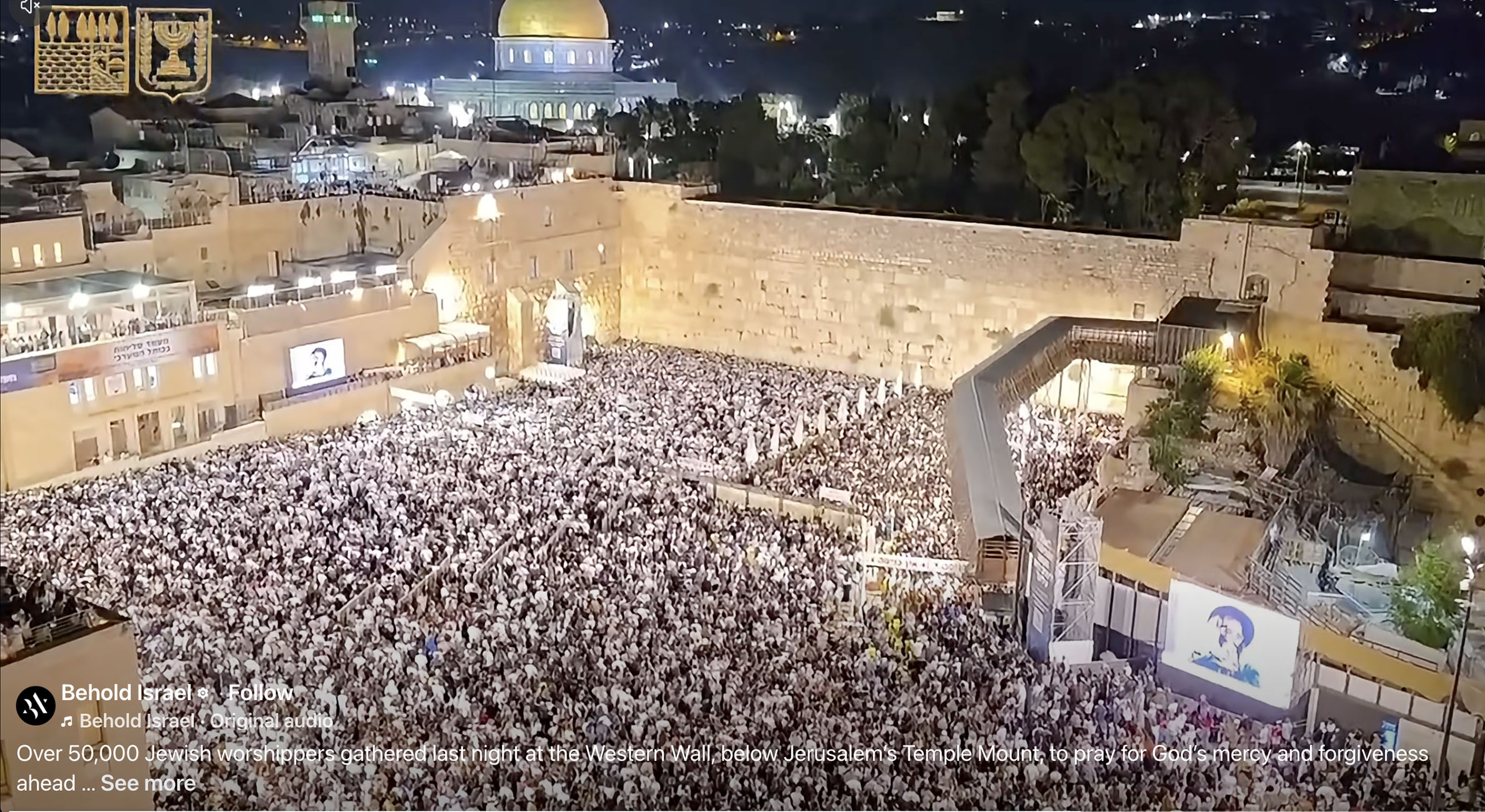
See Messianic Jews Gathered Now At Jerusalem, In Anticipation of the Feast of Trumpets
If You Are Looking For The Return of Jesus, Because He Promised To Come and Get us When Everything is Ready, A Study in the Seven Feasts Will Inform You That The Approaching Feast of Trumpets on September 11-13, 2026, Holds great possibility for His Return At This Time,
As You Contemplate The Approach of the Feast of Trumpets, The Following Books I have Published, May Assist You in Learning More About This Important Subject:

Click on the Image to Look Inside the Book
See Rob’s Verse-by-Verse Commentary
Categories: Robert Clifton Robinson
 Robert Clifton Robinson
We will continue to watch for the return of Our Lord for the Lord knows, in advance of his arrival, when that day will be. And. It is to our profit (yes profit) that we wait and WATCH!
The Beginning is Near!
Thank you Brother Rob for all you do. You are gift given from God.
LikeLiked by 1 person
These are the most exciting days of our lives!
LikeLiked by 1 person